These days, it seems hardly a week goes by without some new social media trend doing the rounds. From viral recipes everyone is trying their hands at, to phrases, dares or workouts, it seems so much of young people’s lives are dominated by what everyone else is going on social media.
It is important to keep in mind that not every social media trend is bad or indeed harmful, some are fun, and beneficial even (like teens learning how to cook or bake or even commit to working out or reading more books).
However, some might sounds innocent enough, but have the potential to be rather harmful if taken to the extreme, and this might very well be the case with social media trend The Great Lock-In, or the ‘September to December Challenge’ as some also call it.

In short, the trend, which first went viral back in 2024, saw teens ditch the classic New Year’s resolutions in January in favour of a strict, four-month self-improvement spring stretching from September to December, where they would ‘lock in’ and focus hard on improving their health, looks, fitness, nutrition and even mental health or intellect before the end of the year.
How the ‘Great Lock-In’ social media trend works
For instance, TikToker @minjulifts posted a video explaining her specific goals in the areas of hydration, nutrition, and mental health, where she explains her aim is to ‘drink enough water, eat foods that align with her caloric and blood sugar targets, and journal and meditate daily,’ among many other dizzying goals.
@minjulifts ✨ my great lock-in rules (sept → dec) ✨ bc we’re not waiting for january to get it together, we’re building habits now so future us can actually breathe 😌 🔄 kick-off • starting with a 24 hr fast → gives my gut a break, helps regulate blood sugar, mental clarity, other benefits (i am NOT doing this for dieting related purposes & do NOT recommend this if you struggle with restriction cycles) • my pre-fast meal: lean ground beef + white rice + spinach (protein + carbs + fiber = full + steady energy without the crash) 💧 hydration: 100–120 oz water a day 🍎 nutrition • calorie deficit (~300-500 deficit) • 100g+ protein • eat what i want as long as it fits my goals (flexible eating schedule, occasional meals out and sweet treats) • 2 fun meals a week bc balance + sanity >>> perfection 🏋️♀️ physical health • 15k steps a day • 3 lifts a week • 7.5–8 hrs sleep + blue light glasses to help with screen exposure 🧠 mental health • 10 min meditation a day • daily journaling + write down 3 things i’m grateful for 🎯 goals → keep my strength, run faster, feel less tired, and actually be happy doing it. i’ll re-evaluate each month (esp nutrition) and once i feel good with my deficit, i’ll reverse diet and start building cals back up. — save this for your own lock-in inspo 🫶 and if you want help building a plan you’ll actually stick to, 1:1 coaching link in bio💖💖 #septemberlockin #thegreatlockin #septemeberlockinrules #fitnessmotivation #caloriedeficit ♬ original sound – MINJU | Women’s Online Coach
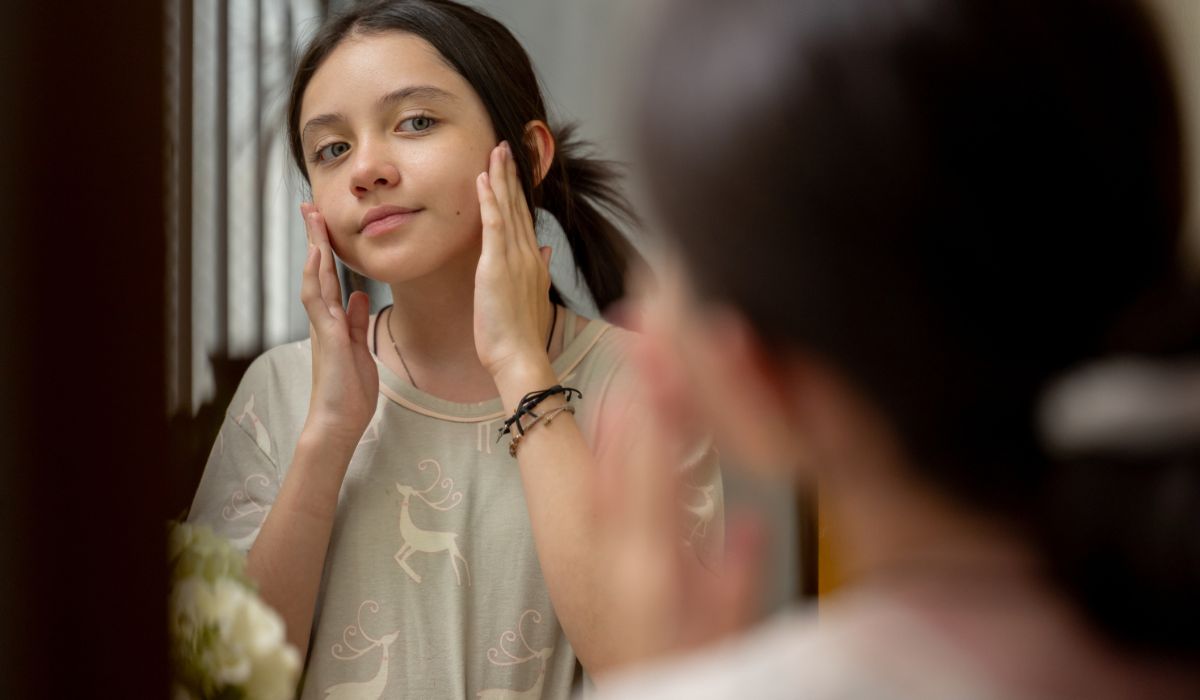
@rizztaruant, on the other hand, is another TikTok-er who takes the viral social media trend to the next level, pledging to improve her life several ways, and to achieve these objectives, the content creator says she’ll read more books, and in the area of beauty, it’s all about maintaining her skin, body, and haircare routines.
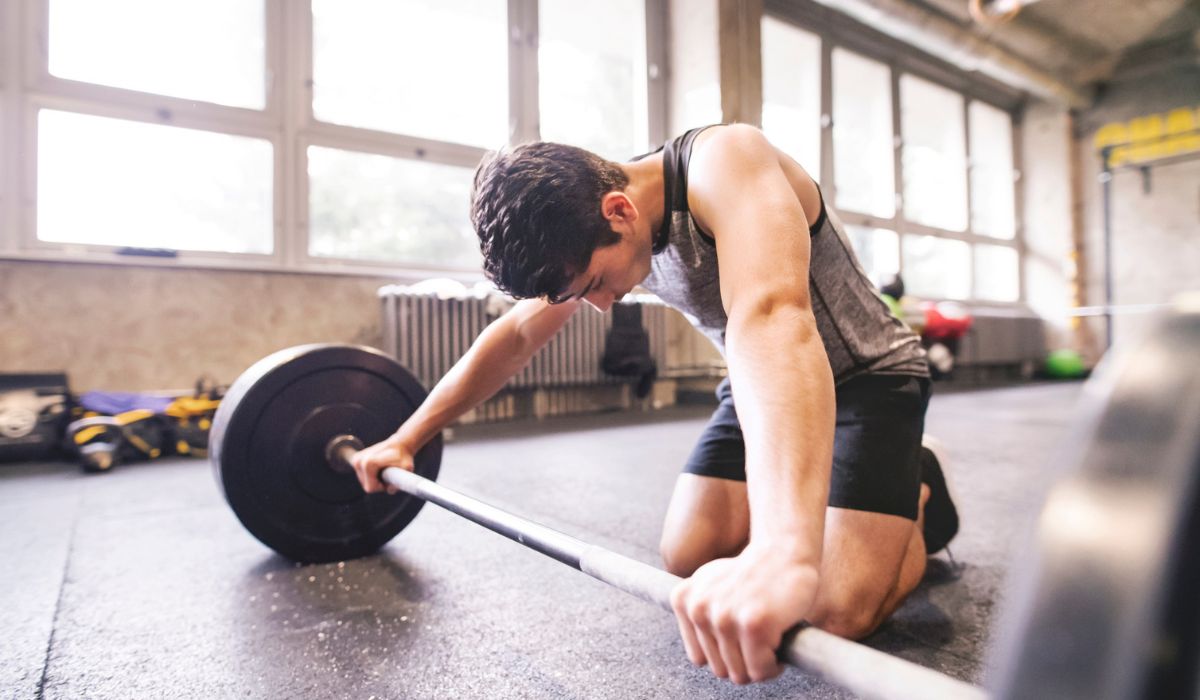
And girls are not the only ones doing the social media trend. No, Gen Z and gen Alpha boys are taking part in The Great Lock-In too, with the focus often being on working out, lifting weights and bulking up.
I think while we can all agree that a lot of this sounds positive enough – teens focusing on drinking more water, eating healthier and reading book, so far, so great, I reckon. However, experts argue parents should still be aware of the language being used when it comes to this social media trend, as creators talk about fasting, cheat meals, restrictive eating and counting calories, to name a few.
Speaking to Parents.com, Florida-based pediatric psychologist Elie Hessel says:
‘Identifying and setting goals that are meaningful, and creating reasonable, measured plans to work toward achieving those goals can be a good thing.’
Sanam Hafeez, a New York City-based neuropsychologist and director of Comprehend the Mind, agrees, and says:
‘Setting small, doable intentions are things that support well-being. Having friends or a peer group doing it alongside them can also give them accountability and a sense of connection.’
However, what teens take away from this social media trend will be highly individual. Some may be reassured that achieving goals takes time and dedication, which is a very positive message, Hessel argue.
But, used in the wrong context and taken to the extreme, some of the goals of this social media trend can be very restrictive and often very excessive.
And this is what parents need to stay alert too.
‘In this case, it may be doing more harm than good, Hessel explains.