Worried about your kids’ screen time or a particular TV show they love to watch?
As it turns out, screen time is not all bad, and some TV shows are, in fact, beneficial for kids to watch – at least to some extent. Kids are like sponges when it comes to information and learning, as we all know, and the reality is that many of the things they pick up about the world come from some of their favourite TV shows.
And by watching a TV show that focuses on family and family dynamics, children absolutely learn about how families work, their role in family life and even about families and social settings, and shape how they interact with people both at home and in the outside world, like in school.
And when it comes to just this, experts have one TV show they reckon is better for kids to watch than others, as it models ’emotional intelligence’ and a genuine care and love for family.
The TV show in question? Peppa Pig.
Yes, indeed – and according to Parents.com, children who watch this popular British TV show pick up on all sorts of social cues and life lessons as they watch, informing the way they navigate and react to interpersonal dynamics at home and at school.
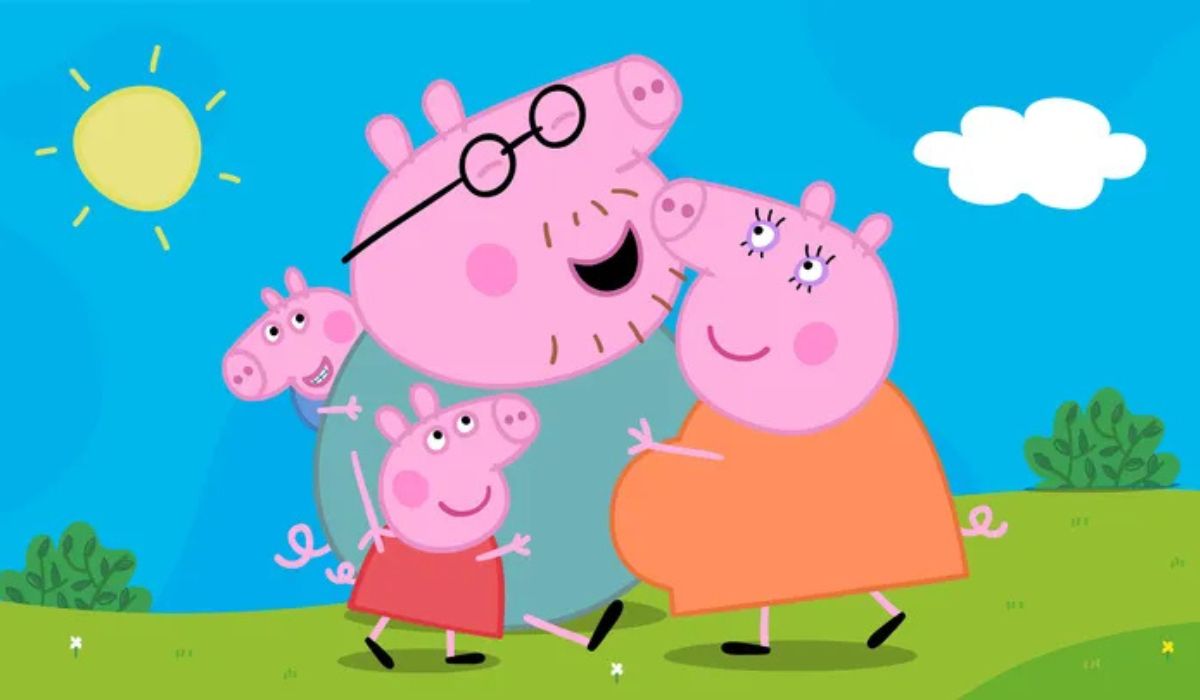
A TV show about family dynamics
The thing about Peppa Pig, explains Jamie Krenn, an adjunct associate professor at Teachers College, Columbia University in the US, and guest faculty at Sarah Lawrence College, whose research centres around children’s media, is that while the show might be named after Peppa, her family and friends are just as relevant to the storytelling, especially her loving, close-knit family.
‘Peppa Pig presents a family system built around everyday interactions, pitfalls and hilarity included,’ explains Krenn.
‘Peppa’s relationship with her parents reflects a balance of support, boundaries, and affection.’
For example, notes Dr. Krenn, Mummy and Daddy Pig ‘set guardrails’ for Peppa and her siblings, but also ‘model patience, humor, and emotional availability,’ reinforcing that they’re here to support the siblings with love no matter what.
The children’s media expert also praises the relationship between Peppa and her little brother, George, and reckon the dynamic – arguing, making up again, being enemies and then friends again – is one many children with siblings will be familiar with.
‘It’s mostly loving but imperfect, marked by big feelings like jealousy, imitation, conflict, and saying sorry when needed,’ Krenn explains.
‘Their sibling relationship feels real—hijinks and all—rather than idealised, which helps children see their experiences reflected back to them.’
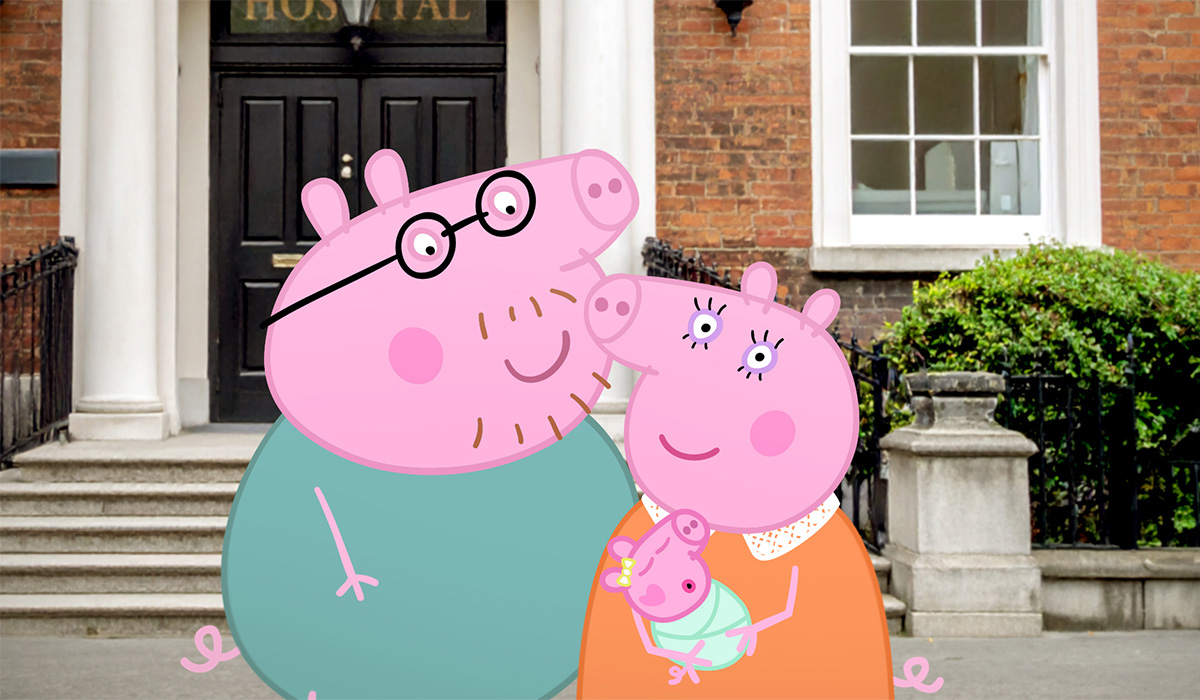
As well as the Mummy Pig and Daddy Pig, Peppa’s grandparents, Grandpa and Granny Pig, are supportive, nurturing, and a source of fun for Peppa and George, just as many real-life grandparents are for their grandchildren.
Krenn also praises the way Peppa’s new baby sister, Evie, was introduced into the TV show in a ‘developmentally sensitive way.’
‘Peppa’s curiosity, moments of uncertainty about the transition, and adjustment are shown not as ‘bad’ reactions, but realistic responses that often come with big changes,’ she explains.
‘The show allows Peppa’s space to adapt, which mirrors what many children experience when a new sibling arrives home.’
Peppa teaches kids to learn from their mistakes
Krenn also applauds the format of the popular kids’ show, and says because it focuses on a day in Peppa’s life, this is relatable, as kids are often dealing with similar situations and scenarios. Kids also tend to very much be in the moment, and think about just the things that are there in front of them.
The expert is also a fan of how Peppa always learns from her mistakes, and how she eventually rights the wrongs and moves on.
‘Peppa has to learn from her mistakes, like when she gets too bossy with her friends or her brother, or when she and her friends in their play group quarrel or bicker. By thoughtfully showcasing these real-life situations, Peppa Pig helps kids learn how to deal with similar social dynamics in their daily lives.’
She adds:
‘Through everyday life, kids see models of turn-taking, empathy, apology, forgiveness, cooperation, and emotional regulation. Importantly, these lessons are embedded in narratives rather than being explicit ‘teaching,’ which makes them more likely to stick long-term.’