A parenting coach has shared the one thing that you should say to your child when someone says something mean to them.
Our kids going out into the big wide world can be stressful for parents. They will now be interacting with other people, some of whom may not be very nice to them. It’s a hard thing to deal with as a parent; ideally we would wrap our kids in bubble wrap and protect them from all harm (both physical and emotional) but that’s not realistic. As adults they are going to come across so many different people and they need to be equipped with the resilience they need if some of those people aren’t the nicest.
What you should and shouldn’t say when someone is mean to your child
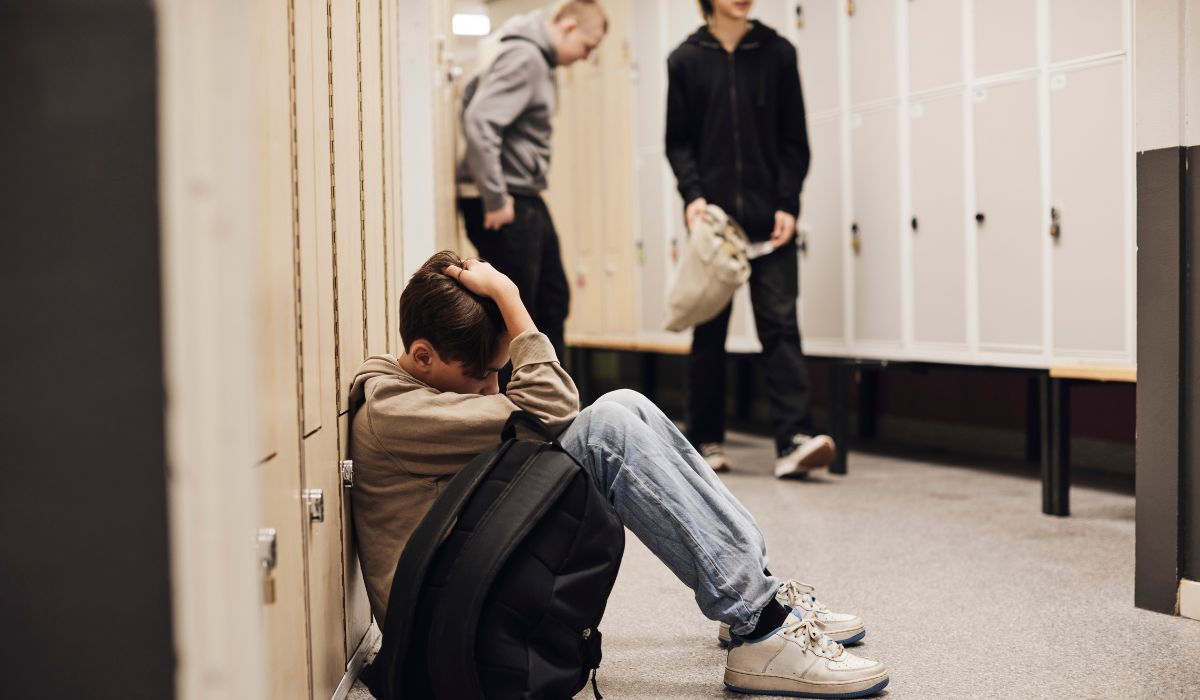
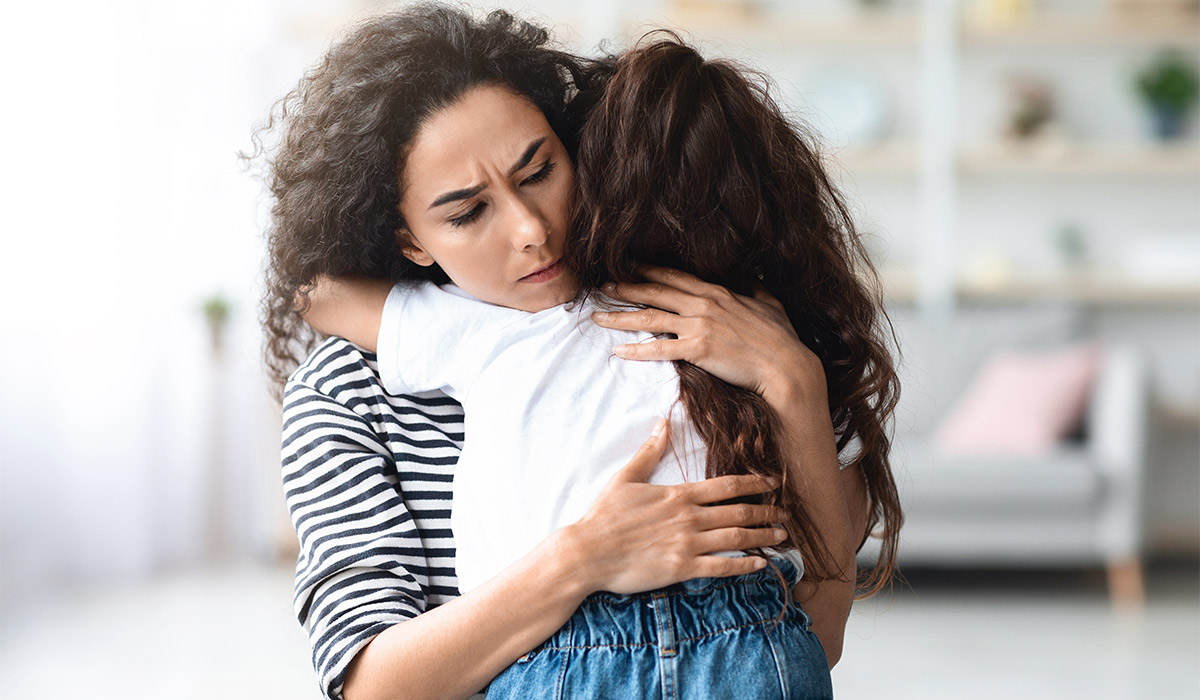
Kids can be cruel and will often say mean things to each other. When this happens our first instinct may be to say ‘just ignore them’ or ‘that’s not true’ but there is something else you should ask them instead.
Renee Marie, an author who shares advice for parents of kids age 6-12, explained that a child’s inner voice is incredibly important, especially in these situations, and it is still developing between the ages of 6 and 12.
She says that in these situations, kids don’t need a ‘perfect comeback’, what they tell themselves in that moment is what actually matters.
The question that really matters is ‘What did you say to yourself when that happened?’
‘That one question opens the door to the conversation that actually matters. They need a coach in their head who shows up before the words even leave their mouth.
‘That coach? You’re building it right now,’ she said.
‘Research on children’s inner speech shows that the voice kids use to talk themselves through hard moments has a measurable effect on how they cope and in kids ages 6–12, that voice is still forming. It’s one of the most shapeable it will ever be,’ Renee added in the caption.