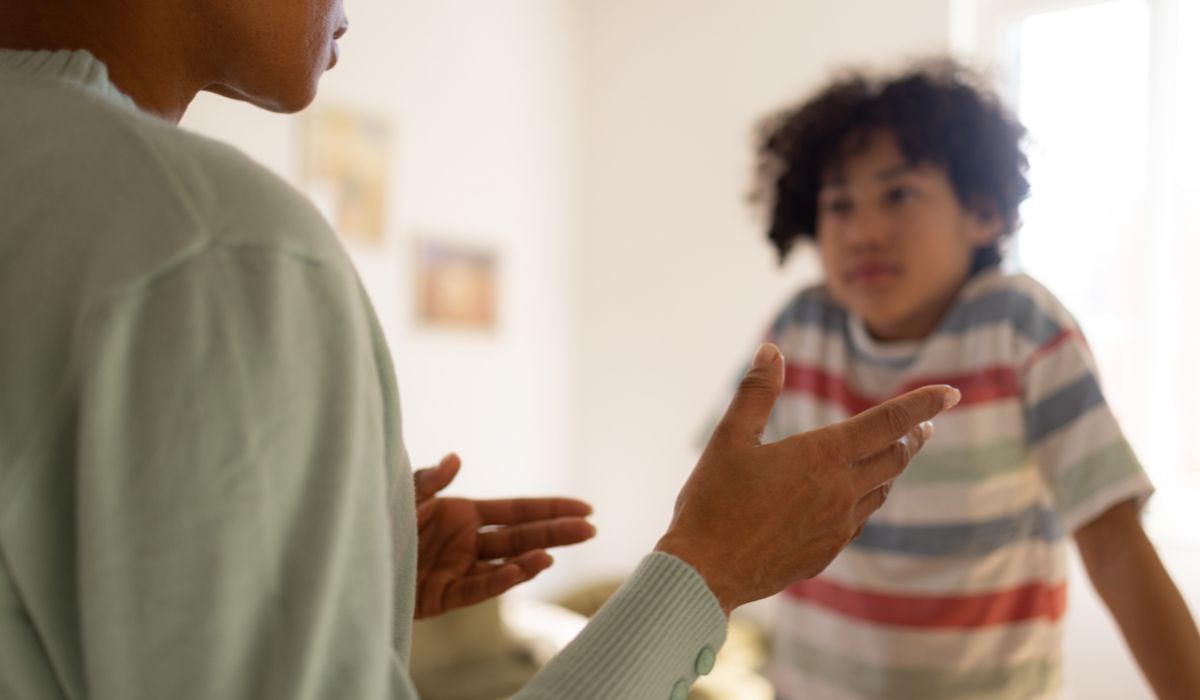
‘Many of us were raised with these phrases.’
A parenting coach has shared the seven things that parents should avoid saying to their children or run the risk of leaving lasting emotional scars.
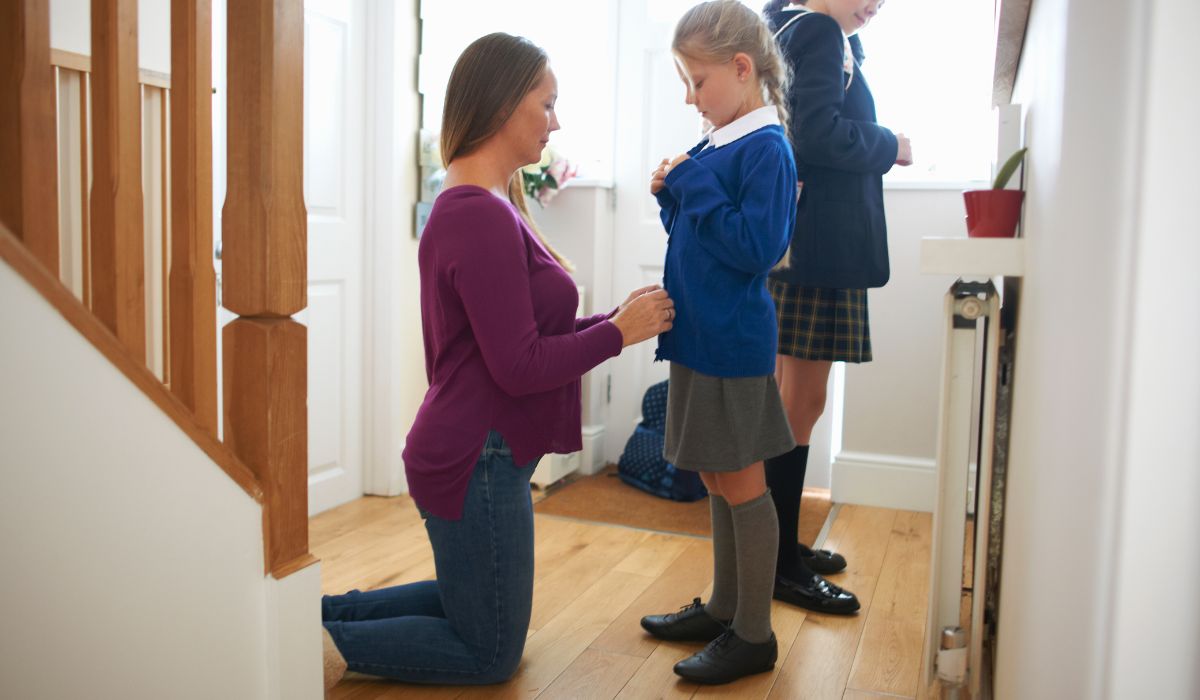
As parents, it is our job to do our best to raise our children as emotionally secure, confident adults. It is important to try to deal with behaviours we don’t like in a supportive way, and try not to shame them for their feelings and behaviours.
We do what we can to achieve this, but occasionally we will lose our cool or fly off the handle and deal with things in a way that we regret. It’s completely normal and not the end of the world. Speaking to your child about your reaction and apologising is very beneficial for their mental health.
RELATED: Psychotherapist names 10 worst things parents do that cause trauma for kids
However, there are certain phrases that ‘can leave lasting scars’ accoring to a parenting coach.
Sammy and Cam, who are ‘conscious parenting’ coaches, share tips for other parents with their 122K Instagram followers.
7 ’emotionally scarring’ parents to avoid saying to kids
According to the parents, you should avoid saying these phrases that ‘sound normal’ but can cause emotional scars.
- ‘You’re a spoilt brat’ – name-calling isn’t disclipine, it’s ‘bullying’. They say that if children hear this enough they will believe it.
- ‘Stop crying or I’ll give you something to cry about’ – This teaches children that their feelings are ‘unacceptable’, expressing their emotions is ‘dangerous’ and that love is conditional.
- Do this or else – Threats may get kids to do things in the short term but in the long run it creates fear.
- ‘You have it easy, my parents were much worse’ – ‘Pain isn’t a competition’ they say. Children don’t need competition; they need understanding.
- I taught you better than that – Sammy and Cam say that mistakes are opportunities for children to learn, not for ‘public shaming’.
- ‘Just wait until we get home’ – This creates fear because children know that ‘something unpleasant’ is waiting for them when they get home. ‘Fear may create obedience, but it doesn’t create emotional safety’.
- ‘I’m telling your father’ – Children should respect their parents, not fear them.
Sammy and Can say that ‘some parenting behaviours have become so normalised that people stop questioning them’ and these phrases are included.
‘They’re often passed down from generation to generation and disguised as discipline’ but children learn best when they feel ‘safe, connected and understood’ not through fear.
‘That doesn’t mean having no boundaries. It means teaching without intimidation.’