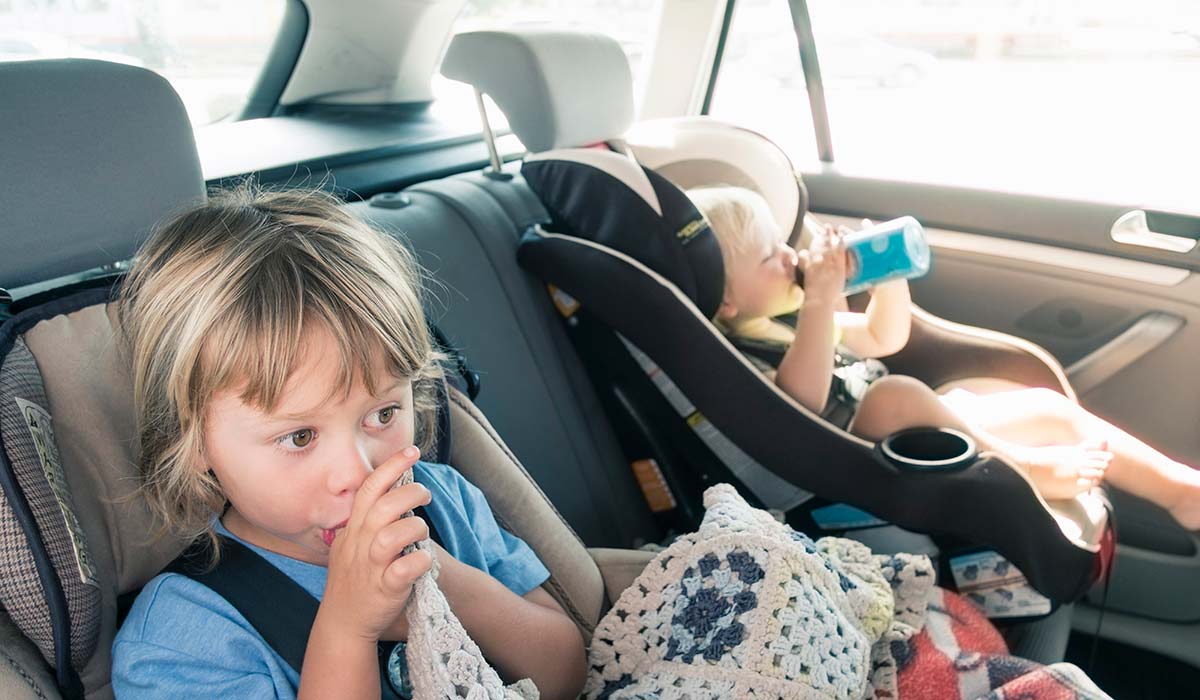
A paediatrician has told parents what they should avoid doing if they find a tick on their child before bed.
If you have a fun day in the sun and in nature this summer, there is one thing that you need to be aware of, for yourself and your kids, and that is ticks.
The summer holidays are here, and the weather is warm, which means we will be spending as much time outside with our kids as possible – everyone knows that parenting outside is easier after all.
But after a day of running around national parks, picnics or hiking, it is important to check your kids (and yourself) for ticks. Ticks are common during the warmer months, found ‘everywhere in Ireland’, and if a tick bites you, there is a chance it can be serious.
Here is what you need to know.
Where do you find ticks?
According to the HPSC, ticks can be found all around Ireland in the following areas:
- Shady and humid woodland clearings with grass
- Open grassland, parkland, fields and bushes
- Walking paths, especially those bordered by long grasses
- Wooded and forested areas
- Vegetation close to lakes and seaside beaches

What happens if you get bitten by a tick?
If you get bitten by a tick, there is a chance that you will develop Lyme disease. However, it is important to note that this doesn’t always happen. Even so, though, it is always best to consult a GP if you get bitten by a tick. You should also keep an eye out for the symptoms of Lyme disease, which, according to the HSE, are:
- A red skin rash that looks similar to a bullseye on a dart board
- A high temperature, or feeling hot and shivery
- Headaches
- Muscle and joint pain
- Tiredness and loss of energy
How to spot a tick bite
After a day outdoors during the summer it is important to check yourself and your children for ticks.
You should conduct a full-body tick check using a mirror to view all parts of your body when you come back from an area that may have had ticks and shower immediately.
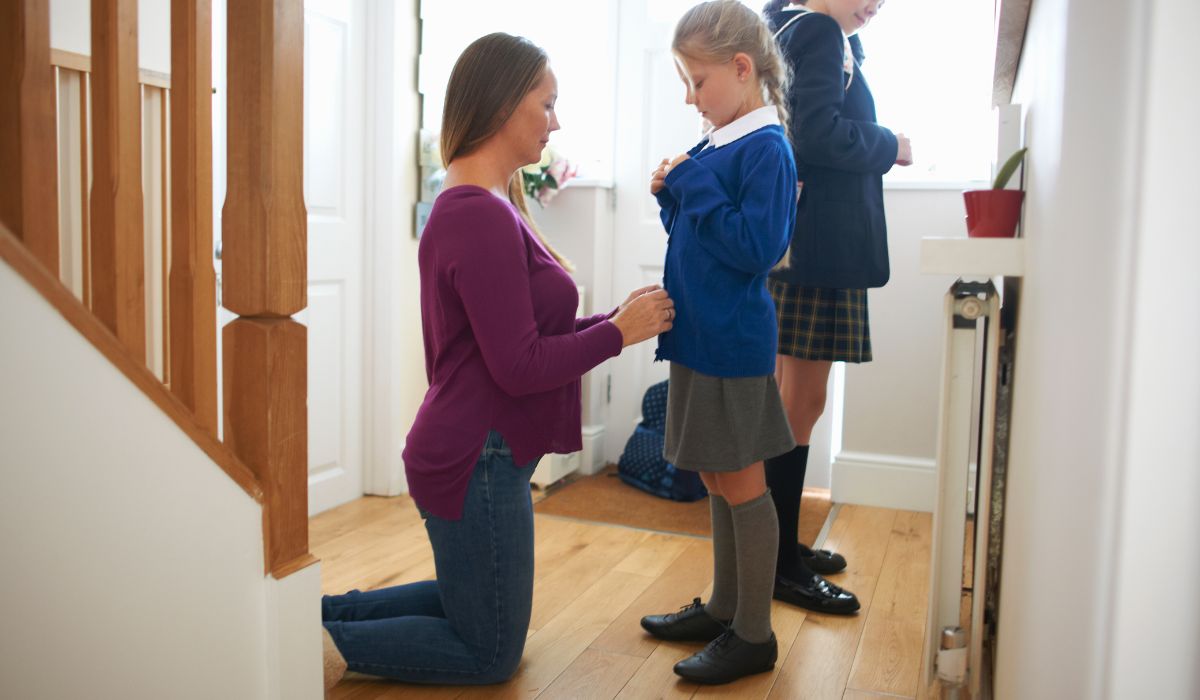
When checking your children for ticks you should pay specific attention to: under the arms, in and around the ears, inside the belly button, behind the knees, between the legs, around the waist, and the hair.
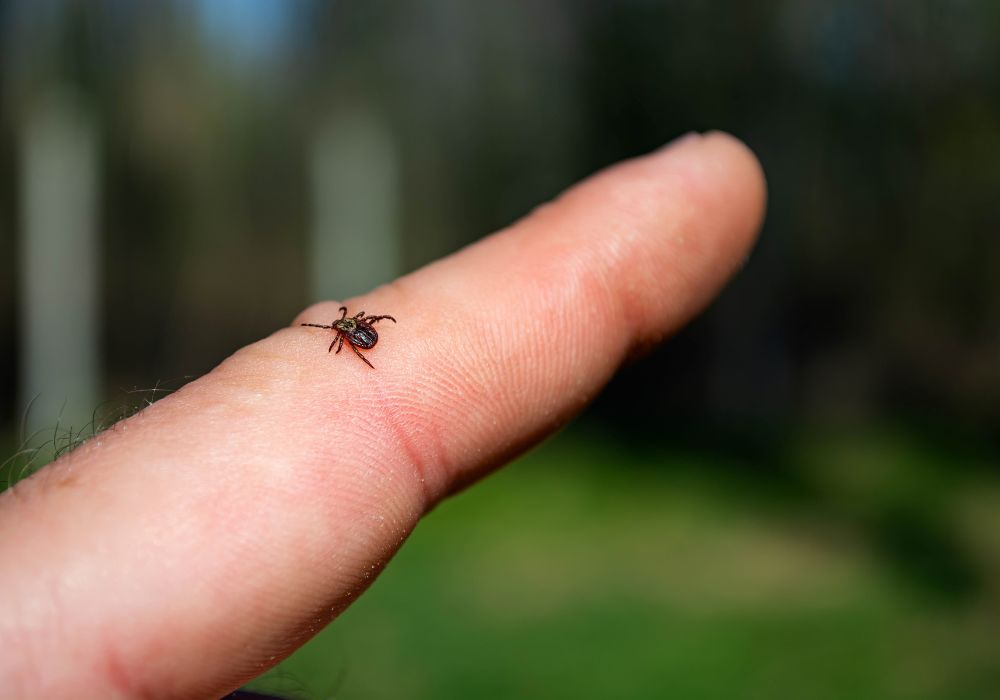
How to remove a tick
If you find an attached tick, you can remove using the following steps from the HSE:
- Use fine-tipped tweezers or a tick-removal tool. You can buy these from some pharmacies, vets and pet shops.
- Grasp the tick as close to the skin as possible.
- Slowly pull upwards, taking care not to squeeze or crush the tick. Dispose of it when you’ve removed it.
- Clean the bite with antiseptic or soap and water.
Can you protect yourself against ticks?
You can use preventative measures to try and avoid getting ticks.
Before going out in areas where ticks are found, you should:
- Cover exposed skin by wearing long trousers tucked into socks/boots and long-sleeved tops
- Wear closed-toe shoes or boots rather than sandals
- Use a repellent – If using sunscreen, tick repellent should be applied after sunscreen
- Inspect your skin and clothes every 3-4 hours while in areas where ticks are found
What not to do if you spot a tick in your child before bed
Paediatrician Leah Rappaport took to Instagram to tell parents what they should do if they see a tick on their child before bed. ‘Here’s what to do: Remove it with tweezers, pull straight up, wash the area with soap and water,’ she said.
Next, you should try to identify if it was a deer tick, ascertain how long it has been attached to your child, and check if it is swollen or inflamed. ‘If the answer is no to any of those questions, the risk of Lyme disease is low,’ Dr Rappaport said, adding that most tick bites do not need antibiotics.
‘Do NOT use Vaseline, nail polish, heat, or other home remedies,’ she urged parents, while also telling them there is no need to rush to get blood work, send the tick for testing, or start antibiotics ‘just in case’.
Over the next month, the paediatrician says that you should watch for:
- A spreading red rash
- Fever
- Fatigue
- Headache
- Joint swelling
- Facial droop
If any of these things happen, you should contact your doctor asap.