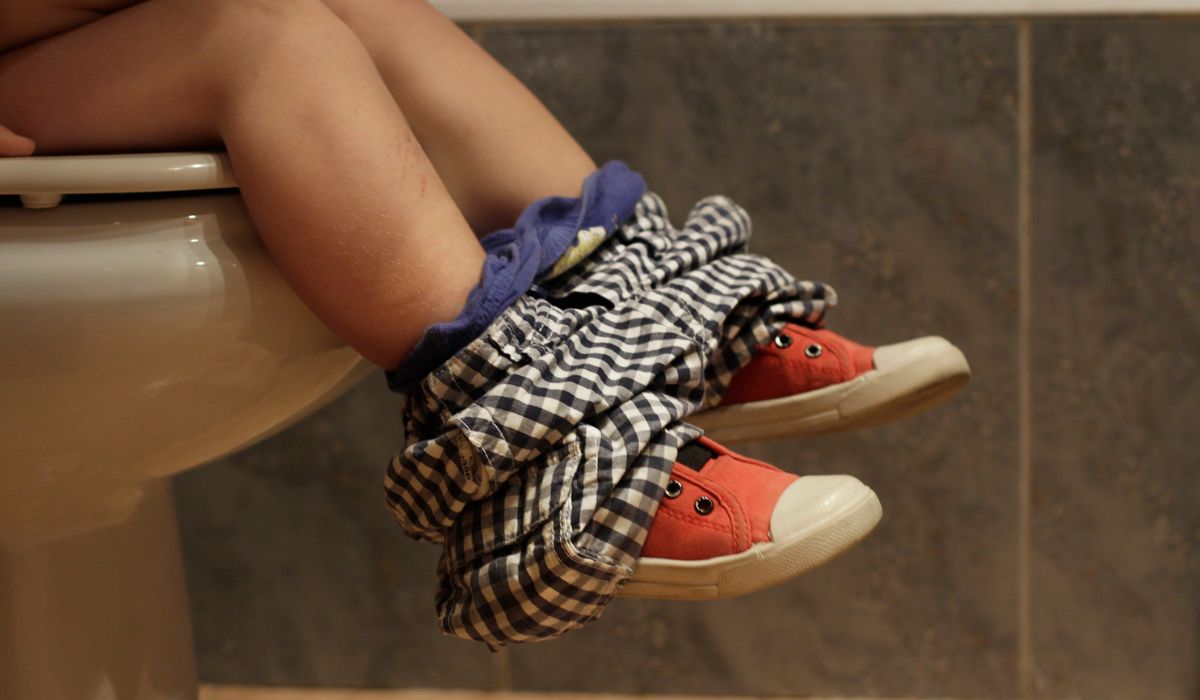
Got a little one suffering from slow-moving bowels and constipation every time you travel?
You are not alone. Holiday constipation is incredibly common, for everyone, but maybe even especially so for kids. Constipation during holidays and travel often happens because the usual constipation triggers often happen all at once: Children may drink less because they are on the go, water bottles are packed away, or they are distracted by screens, swimming, or sightseeing. Heat, outdoor activity, and long periods in the sun can increase fluid needs even more.

RELATED: Irish paediatrician shares one thing parents should check for after returning from holidays
As well as that, travel often means eating differently than they do at home, often with less fibre. And this, combined with more sitting, more processed foods and delayed bathroom breaks, is almost certainly a recipe for disaster.
The result? Slower digestion and constipation.
For some, the problem becomes so acute they have to resort to stool softening medicine, and even doctor’s visits.
However, there is a much easier trick parents should try first, according to a gut health dietician Stephanie Mendez – and the best bit? It costs less than €1, and you can pick it up at pretty much any grocery store anywhere.
Constipation help in fruit form
Many have heard that prunes and pears are rich in fibre, and that drinking juice made from especially prunes can be a great natural laxative when your bowels are not moving. And sure, these are both great.
RELATED: HSE reminds families of one important thing to pack when travelling this summer
Speaking to EatingWell.com, Mendez reveals the one fruit she always recommends for both adults and kids who are suffering from constipation when travelling.
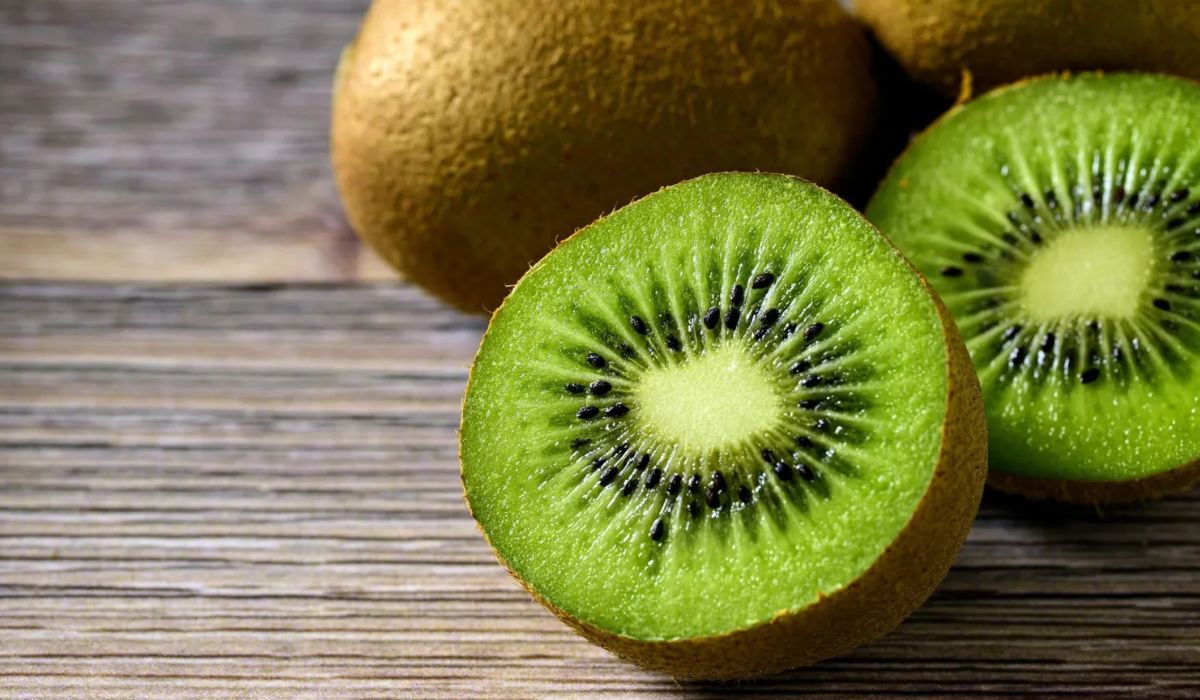
‘Beyond their sweet, tart flavour, kiwis are a surprisingly juicy way to get your bowels moving,’ the dietician explains.
‘Eating two green kiwis per day is one of my first recommendations to anyone who needs poop support. Kiwis are 83 per cent water, and two kiwis provide about six grams of fibre.’
Why kiwis work for constipation
As well as fibre, kiwis also contain the enzyme actinidin, and according to the dietician, research shows that this combination of fibre, water and actinidin helps increase water retention in the colon and provides a mild laxative effect, leading to more frequent bowel movements.
She adds:
‘It’s thought that the type of fibre found in kiwi helps to soften stool as well as help with mucus production in the gut.’
Some argue that kiwis are best eaten with the skin on for maximum fiber, but according to researchers at London’s King College, even without the skin on, kiwis are a super-food for your bowel health and movement. Even more so than probiotic drinks or powders.
‘The new guidance suggests the best remedy is to focus on fruit and drinks first, rather than worrying about the latest probiotic in the supermarket or packing your diet full of different kinds of fibre, explains Dr Eirini Dimidi, lead study author and reader in nutritional sciences at King’s College London, to the BBC.
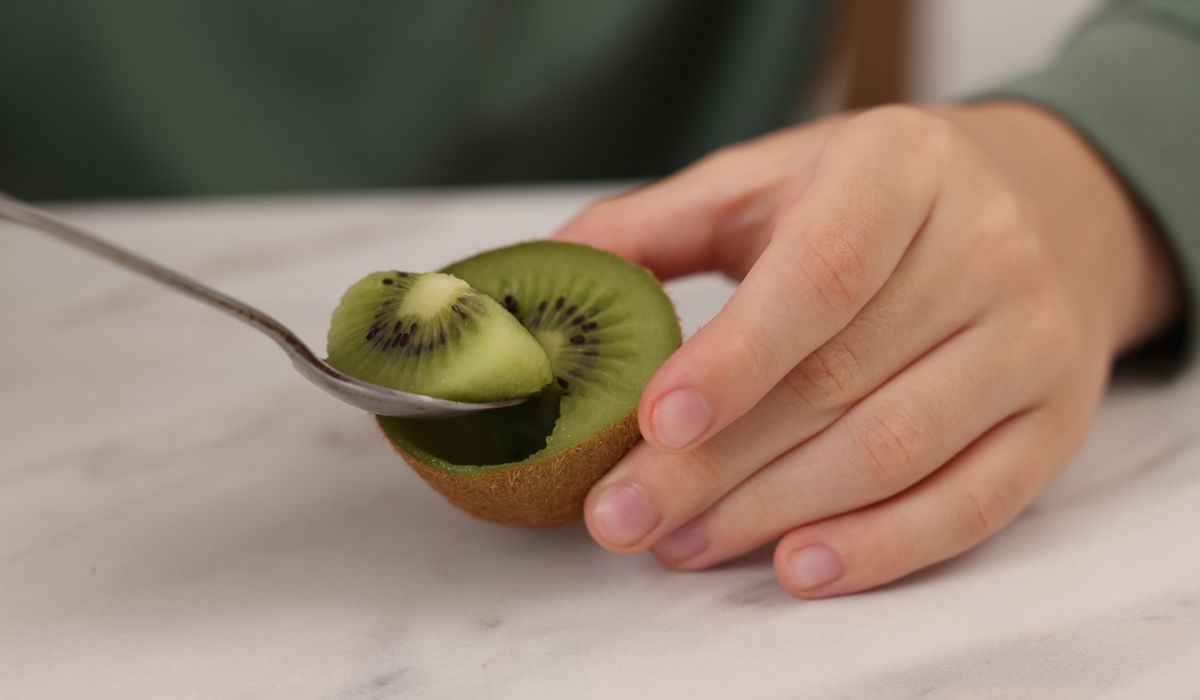
In fact, Dr Dimidi recommends eating two or three kiwis throughout the day to improve constipation.
‘Even without the skin, it’s good and contains fibre,’ she explains, but adds there’s no harm keeping the skin on either.
The fibre in kiwi fruit affects the gut in a way which increases the volume of stool, which can also induce contractions in the bowel.
‘Kiwi also increases water content into the gut which may soften stools.’
Kiwis are quite an affordable fruit too, coming in at just €2 per pack (or 50c each) in places like Aldi, and 60c each in Tesco.