Drowning in dishes and toys and laundry and mess and wish your kids would help out more around the house?
You are not alone, we are all sitting in that same, chaotic boat.
However, if you – like me – have tried and failed when it comes to getting your kids and even teens to help out at home, it seems we might just have been doing it all wrong.
The issue?
We might just have asked them to help out a little but too politely.
Yes – that is a thing, apparently.
According to a cross‑cultural study from Durham University, a firm, clear requests make kids more helpful than ultra‑polite ‘pleas-and-thank-yous.’
As in – the living room is chaos, their toys are everywhere, and you need them to pull up their flipping pants and help out with the tidying. But if you are using the ‘please can you help mummy’ request, think again.
Because according to the new research, the three-words phrase ‘put it away now’ works far better.
Parents, stop begging kids to help out – just tell them
The Durham University study, published in Developmental Psychology, suggests the soft, polite phrases most parents default to are actually less effective than simply telling children what to do.
Not asking but telling. Calmly, clearly, and without the please-and-thank-you scaffolding we’ve been trained to believe is non-negotiable.
And guys – these findings are worth sitting with – because they challenge a lot of what we assume about good parenting language.
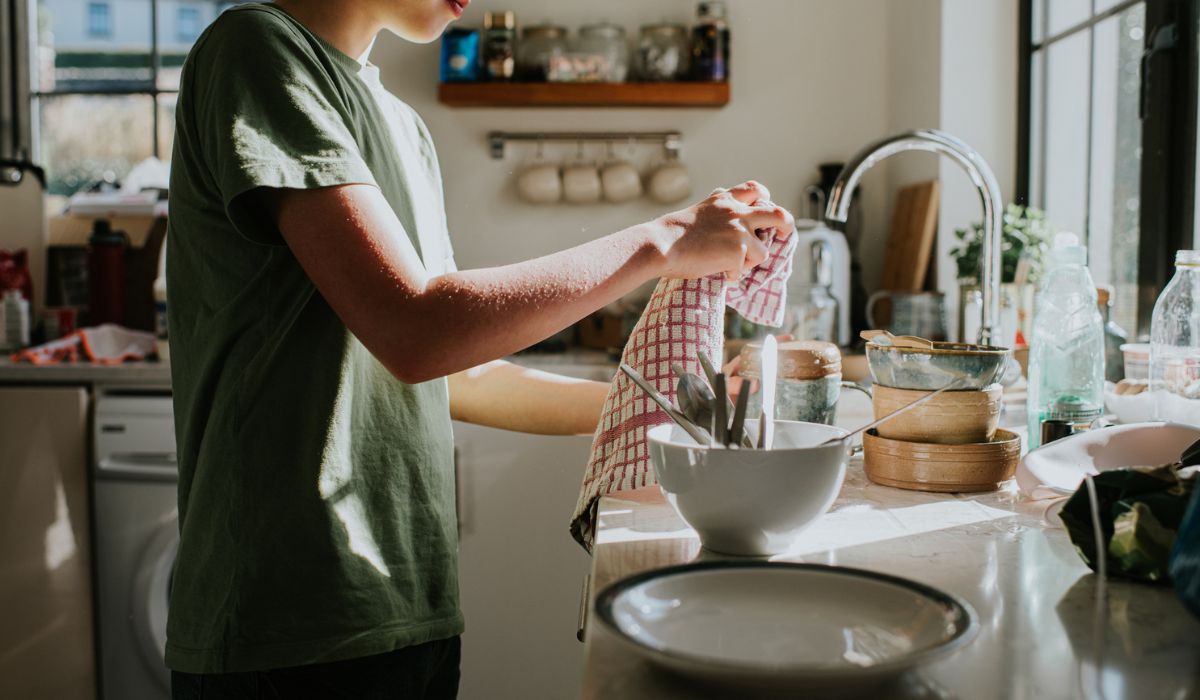
What can parent learn about getting kids to help out
To conduct the study, the researchers had children take part in two types of tasks. Some were set up so babies could choose to help without being asked – just to see whether they would. In others, mothers requested simple jobs, like putting an object in a box.
Researchers then looked closely at the language mothers used in those moments. In Ugandan households, direct instructions were far more common. ‘Put the pen in the box now.’
British mums, meanwhile, leaned heavily toward encouragement, explanation and choice-based language. ‘Mummy needs the pen in the box — please can you help mummy, good girl!’
What the researchers found?
The direct approach led to more helping. Not just when asked — but in those unprompted moments too, where no request had been made at all.
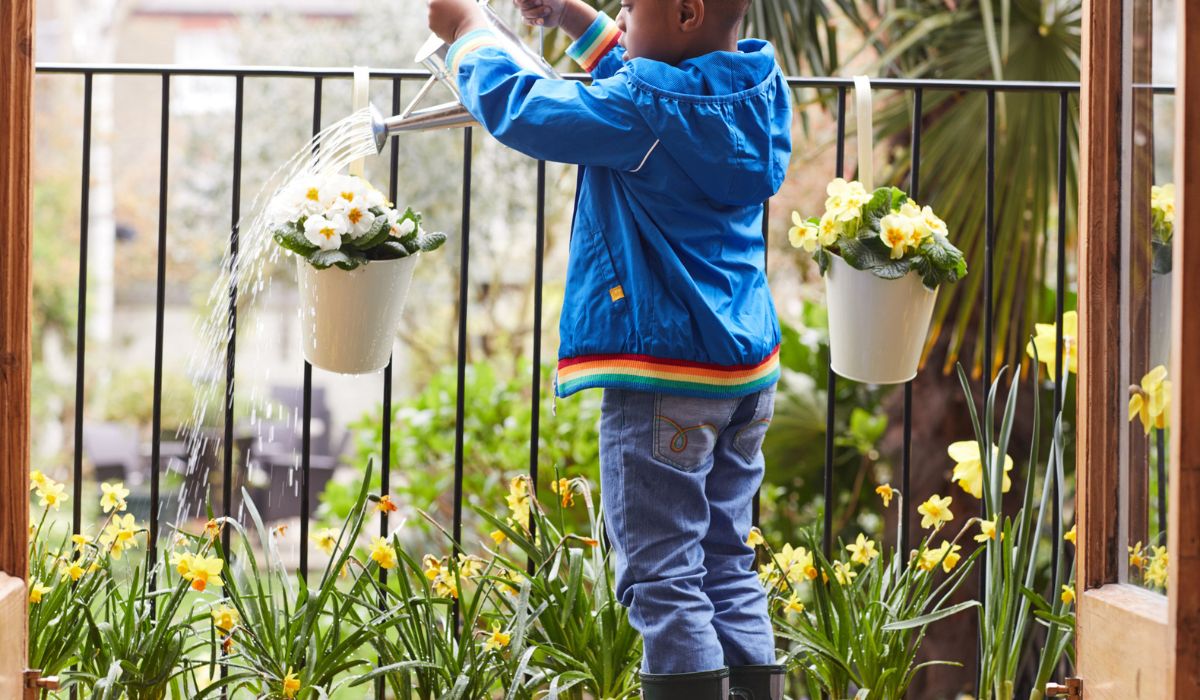
Kids respond better to clear instructions
Baffled by these findings and wondering if it will work with your own kids?
‘While encouragement is thought to support helping in Western cultures, we actually found clear instructions worked better,’ explains professor Zanna Clay, senior author at Durham University, and said the results challenged some widely-held Western assumptions about how children learn to cooperate.’
Part of this is about cultural expectation, Clay explains. In Uganda, children’s contributions to the household are expected early and taken seriously. Helping isn’t framed as a choice, or a lovely bonus. It’s just part of life. Here in this country, which was also the case for the UK families in the study, we tend to treat it as optional – which might, the research suggests, be exactly why children treat it that way too.
There’s something else worth considering here. When we ask rather than tell, we’re implying there’s a right answer and a wrong answer, and either is acceptable.
‘Kids have a strong motivation to help from an early age, wherever they grow up,’ Clay said.
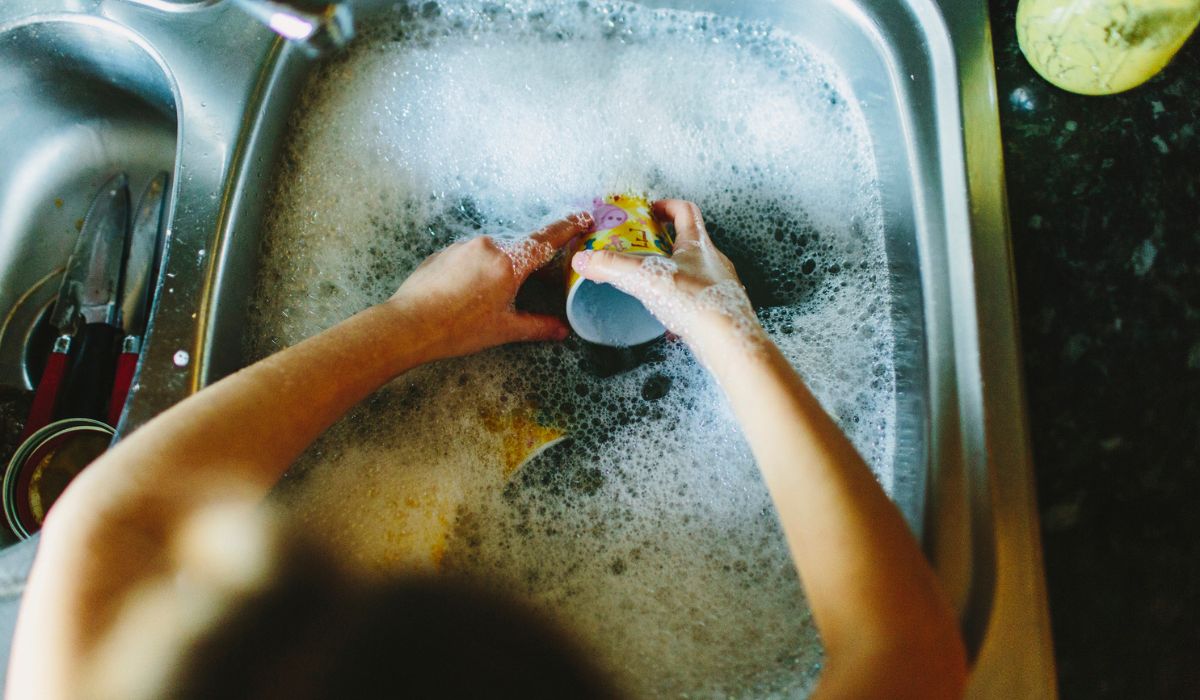
How to try this at home
And before you think that ‘being firm’ means barking instructions to your toddlers and kids like a military commander, this is not the case. It is more, the study authors suggest, about being firm and clear about what you want your kids to help out with.
A vague invitation leaves a lot of room to ignore whereas a clear, simple instruction is harder to misread.
The researcher suggests trying phrases like:
- ‘Put the blocks in the box now, please.’
- ‘Put your socks in the laundry basket now.’
- ‘Give mummy the spoon now, please.’
Same tone but fewer words and a clear action they can actually follow.