She is an avid advocate for protecting children from the dangers social media presents. But now Meghan Markle is facing some fresh criticism for having somewhat double standards when it comes to this – but it seems the Duchess is doubling down regardless.
Meghan Markle calls daughter ‘dream girl’
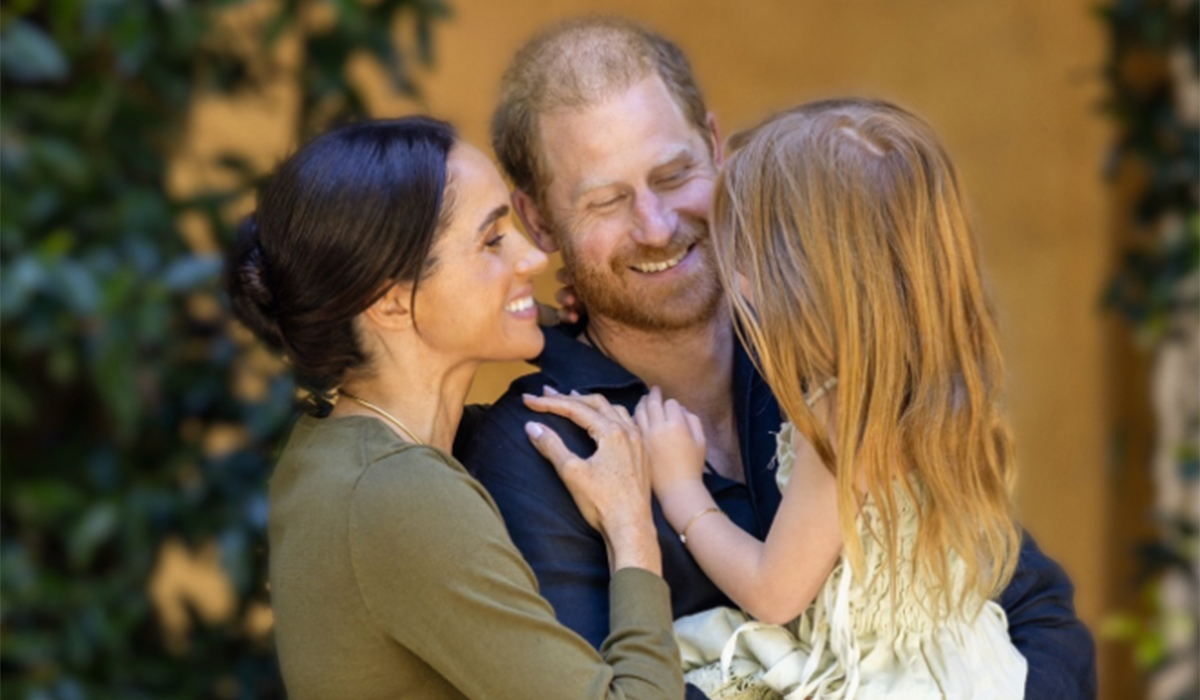
Earlier today, the 44-year-old took to Instagram to share some never-before-seen photos of her daughter Lilibet – or Lili, as she is more commonly known – to mark the little girl’s 5th birthday.
Captioning the sweet shots, Meghan wrote:
‘Our dream girl – happy 5th birthday, Lili’ followed by a white heart emoji.
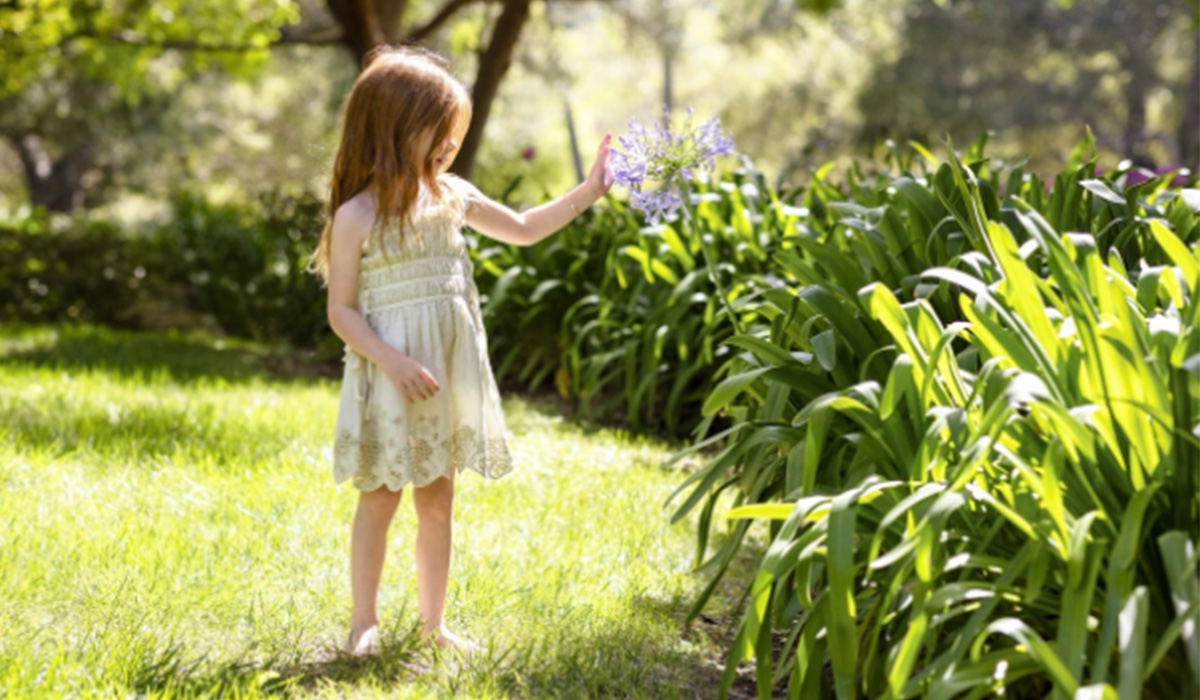
The post contains two images – one of Meghan and Harry holding their daughter and gazing lovingly into her eyes, and the other snap shows the little girl wearing the same dress as in the previous photo, but this time standing in the grass barefoot, with her long, red hair covering her face.
This is not the first time the former royal has taken to social media to share some candid snaps of her little ones or their family life at home in Montecito, California.
Last month she shared pictures of her son, little Prince Archie, to mark his 7th birthday, showing the little boy as a baby resting on his dad’s chest, as well as a snap showing Archie and Lili walking on a beach together, facing away from the camera.
And just days later, the mum-of-two posted a cute image of Lili helping her try on some clothes or shoes, either in a shop or Meghan’s at-home walk-in wardrobe.
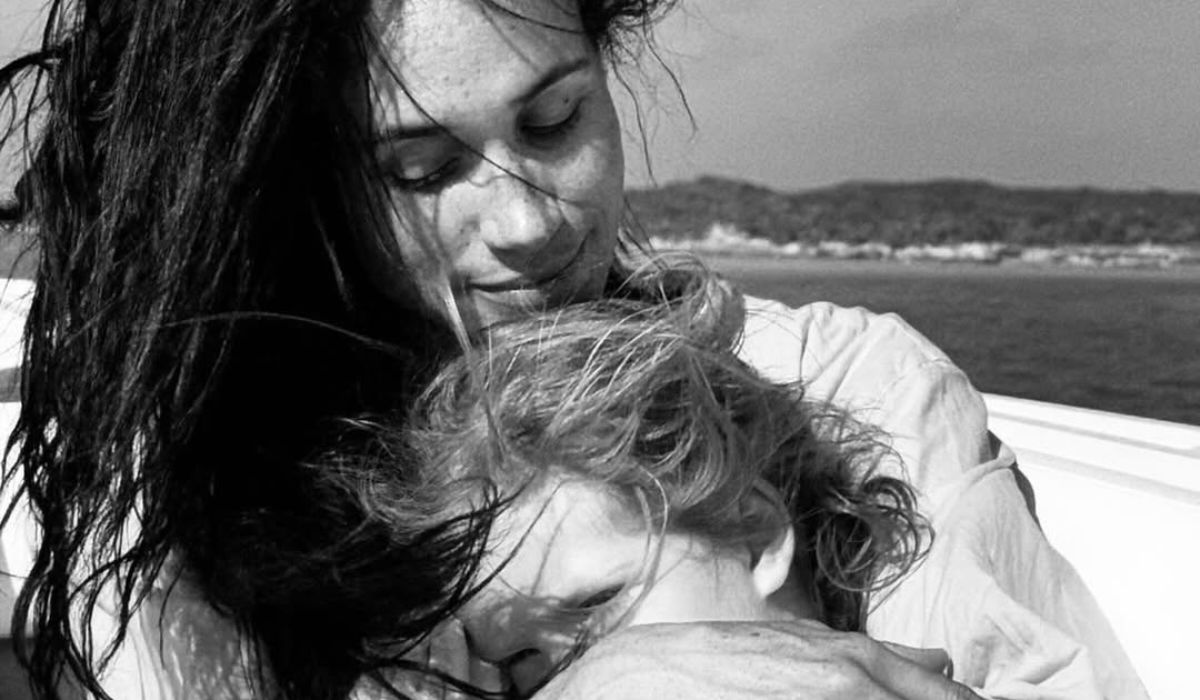
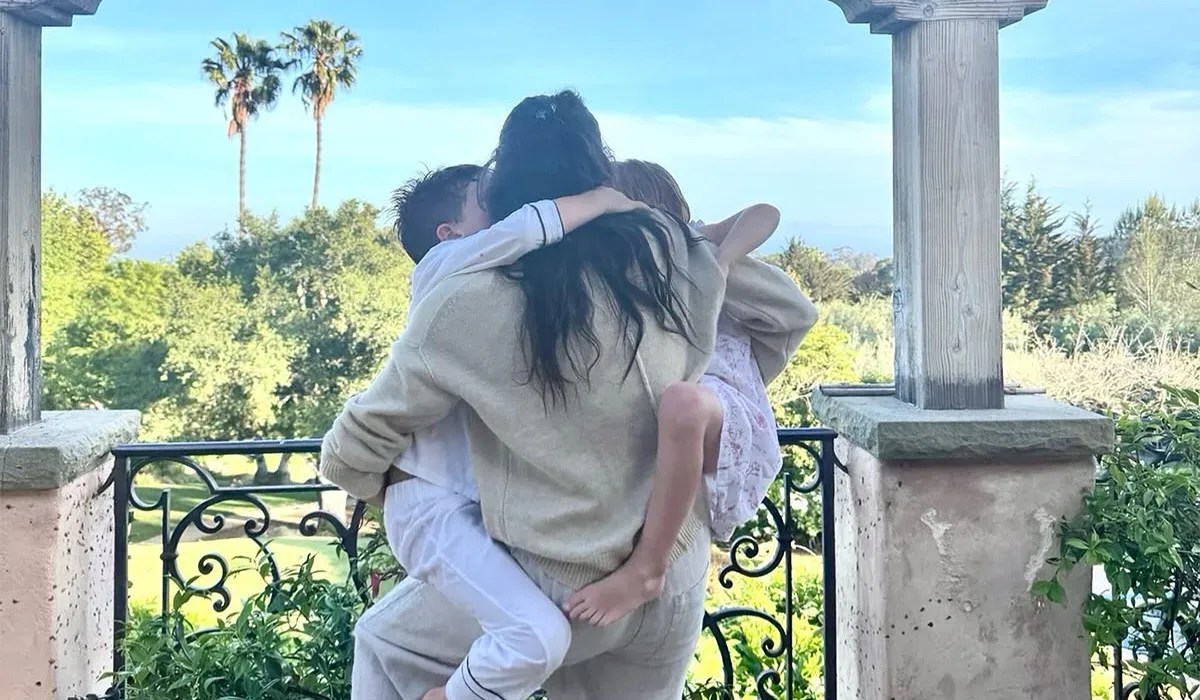
Fans and followers will have noted that Meghan is always cautious to shield her children’s faces from the camera, or even prone to covering their faces with an emoji in some cases, but that has not stopped her facing increasing criticism for sharing images of them in the first place – especially since she has now made a bit of a career out of telling other parents not to do the same.
Speaking recently at the World Health Assembly in Geneva, Switzerland, Meghan delivered a 10-minute address centred on protecting children from the harms of social media, warning about the dangers posed by powerful algorithms and the growing influence of artificial intelligence.
The speech sparked a major debate online, with some critics questioning why the former royal continues to post images of her children if she is concerned about their online safety.
‘You can’t lecture people about childhood safety online while also plastering your children online,’ one X user said, while another noted:
‘Flying 6,000 miles to speak to a handful of people about the dangers of children being online, while publicly sharing your own children online to sell white-label products and being associated with a travel sustainability initiative, is the kind of contradiction that wildly undermines credibility.’
‘The Duchess has always been clear’
In response, a spokesperson for the duchess told Newsweek there was an important distinction between sharing family memories and exposing children to public scrutiny.
‘The Duchess has always been clear that there is a distinction between sharing moments from her life and exposing her children to public scrutiny,’ they said.
‘By obscuring their faces, she is demonstrating the very principle she advocates for: giving children privacy, agency, and protection in an increasingly digital world.’
The spokesperson added:
‘Far from being contradictory, by concealing their faces she is actually reflecting the message she delivered in Geneva: that parents can choose to share family experiences while still taking deliberate steps to protect identities, privacy, and digital footprint.’
‘We want our children to be safe’
During her Geneva speech, delivered at the inauguration of the Lost Screen Memorial, Meghan Markle urged world leaders and families to prioritise children’s safety online.
‘One day, generations from now, children will look back at this era with disbelief, that adults once allowed digital spaces to exist without basic protections for young people,’ Prince Harry’s wife stated, adding:
‘But let’s do something now so that they will also look back and see that during this increasingly polarised time- where people can barely agree on basic facts- that beyond politics, or party lines, beyond demographics, incomes, or ideologies, race or religion, we could all universally agree on one thing: we want our children to be safe.’