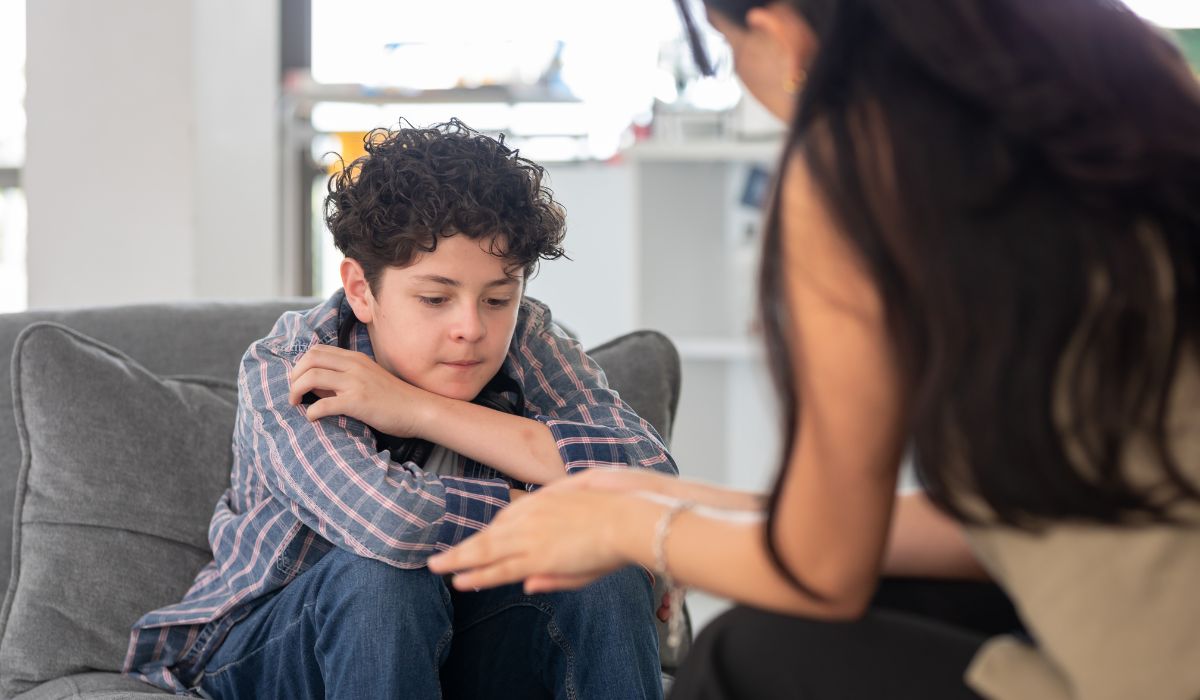
Moving on from primary school to secondary school is a major transition – for both the school children themselves, and also for us parents. Secondary school is a whole new ballgame, and not just when it comes to exams and homework, but also socially, for them and for you.
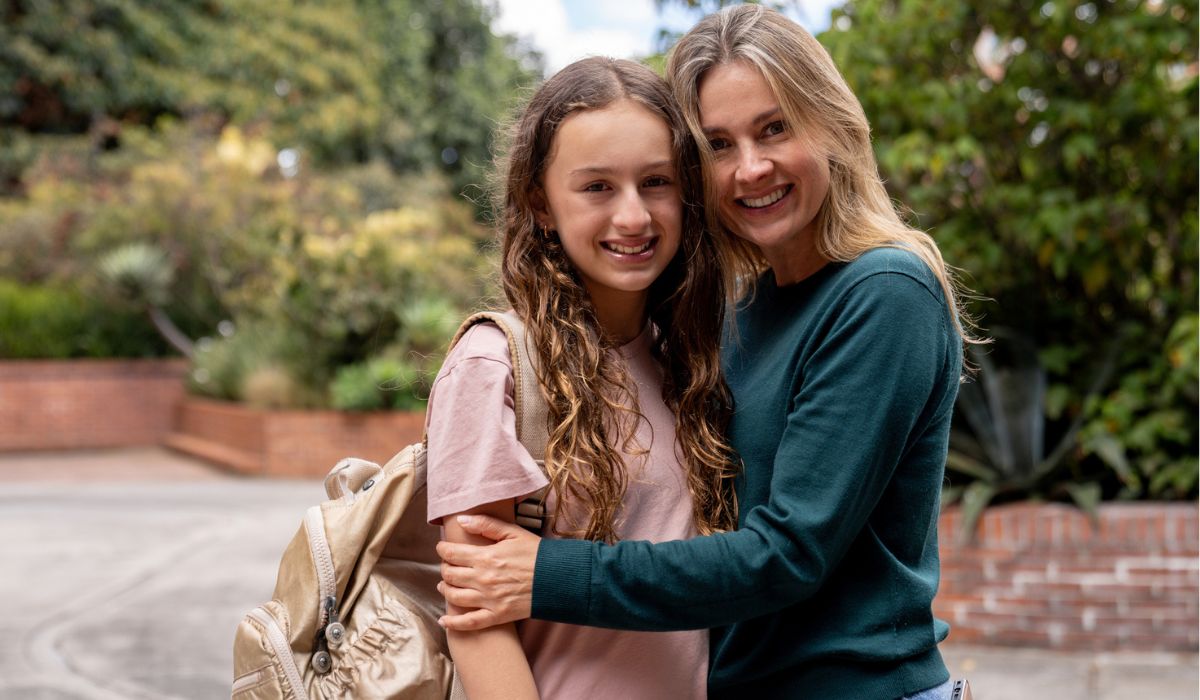
The move from primary school to secondary school is a big deal, and hence can bring about feelings of stress and anxiety. New, often bigger, school, new friends, new teachers, everything just suddenly seems that much more serious.
The good news is that for the vast majority of both children and adults, the transition to secondary school goes perfectly well, and in no-time at all, the whole family will be settled into this new era of life and school. But having just been through it myself, here are some useful tips and tricks for parents that will make your child’s start in secondary school go all the smoother.
Things to do when your child starts secondary school
1. Familiarise yourself with the school website and app
Increasingly these days, schools are communicating with parents using apps like Compass, as well as official school WhatsApp groups. This is simple, efficient and cost effective, and I’d imagine soon all communication may occur through apps and the internet.
The best thing you can do as soon as possible is to familiarise yourself with the school’s preferred method of communicating with you, and learn where and how you can best communicate with them. Compass, which is the app many secondary schools use now, is easy to navigate, and you will soon see where you can contact teachers, make payments, and send in notes in regards to absences or missed classes (dentist appointments etc.)
2. Get on the class or year WhatsApp group
Another one to get on straight away as soon as your child is sorted into a class. The WhatsApp group might not be official school communication, but it is still a life-saver when it comes to being able to ask questions and get answers about anything from school trips to homework.
And maybe even more so when it comes to missing items, from pieces of clothing to laptop chargers or copy books!
3. Establish evening routines to save your mornings
I cannot stress this enough. Secondary school is full on, and your child will need to get enough sleep. So whatever else you do over the summer leading up to their start of secondary school, make sure you work on establishing some good routines especially when it comes to evenings.
Encourage your child to prep their bag and sports gear before bed too, ensuring mornings will be easier. The same goes for lunch boxes. Get them into the habit of charging their school device if they use one (laptop, iPad etc) in the evening too, so that it is charged and ready for school the next day.

4. Establish rules for both phone use and study times
Likewise, routines and rules around phone use and homework/study time will also be a lifesaver. You know your child best, but a no phones in bedroom rule will ensure they get a good night sleep.
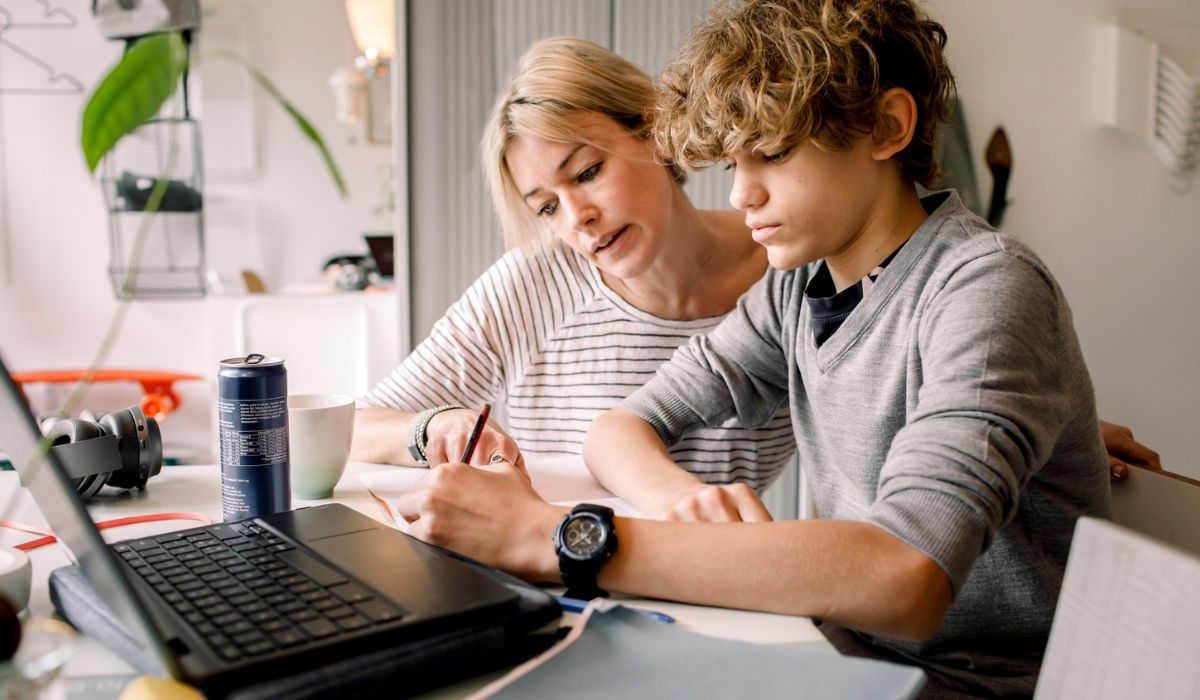
And as for homework routines, this might just be one of the most important things kids learn in their first year of secondary school. And so agreeing a plan and schedule with your child when it comes to homework will no doubt save you fights and drama.
5. Get to know a couple of class parents (at least)
In secondary school there are most likely no casual chats at the school gates now, as kids tend to make their own way into school when they start secondary school. And because it is harder to actually meet parents, you need to be active about getting to know them.
If your child is going to the same secondary school as many of their peers from primary school, you are lucky, as you most likely know many parents already. But if this is not the case, get socialising. Sign up for the PTA, become a class rep, attend social gatherings or suggest a parent get-together for your child’s new class.
Knowing at least a couple of other parents from your child’s new class is important. I believe it is good for children to know that the parents also know each other and form part of a bigger school community. Fellow parents are also a valuable network for sharing information, worries and resources with.
6. Make an effort to get to know the school
Likewise, I think it is important, both for parents and children, that you get to know the school, learn the names of teachers and try to become a part of the school community in whatever capacity you can. Bake for bake-sales, volunteer at fairs and sports days, and I fully believe your child will have a better school experience because of this.
7. Discuss and figure our transport to and from school
In secondary school, most kids make their own way there, so it is important that you, with your child, plan their route there, and organise things like bus cards, luas cards or a bike ahead of time. Discuss how you will deal with really rainy days, just so you always have a plan in place.

8. Help foster independence
Secondary school is a massive jump for kids in terms of independence. Now suddenly they have to decode a timetable, make sure they have the books and bits they need for each class, that their devices are charged, and that their lockers have a padlock. And much more.
They also have to learn to move between different classrooms and make sure they get to where they need to be on time, and so it is good to start rehearsing how to be more independent and self-sufficient ahead of back to school time.
9. Check the school journal
The school journal is your friend, trust me. This book, which the kids will get the first week of school, should have all the information that you need about the structure and routine of the school: rules, disciplinary issues, who’s who and how to contact them.
You should check it every week – in the beginning maybe even every day – to monitor your child’s homework and progress. You may also receive communication and notes from teachers through the journal.
10. Figure our lunch and school food
Most secondary schools have a cafeteria, and so while it might be tempting to think you are done with lunchboxes now, let’s be real – school canteens are handy, but it can be expensive if you’re paying for lunch every day. One alternative is to maybe use it once a week as a treat and bring lunch the other days.
It’s also a good idea to get your kids to pack their own lunch, with your supervision in the beginning, of course. And a chat about healthy foods and keeping your energy up throughout the day is also a must, I think.
A good breakfast is important, as the next snack will not be until the 11am break. That’s a long time to have to think and concentrate if you’re hungry. Encourage your child to think of food as fuel for their body and involve them in decisions about what they eat.