At some point during the primary school years, something shifts. Suddenly it’s not just cartoons and apps – you’re hearing about group chats, online games, YouTubers, and ‘everyone else has it.’
Your child’s digital world expands… fast! And if you’re feeling slightly outpaced by it all, you’re not alone.
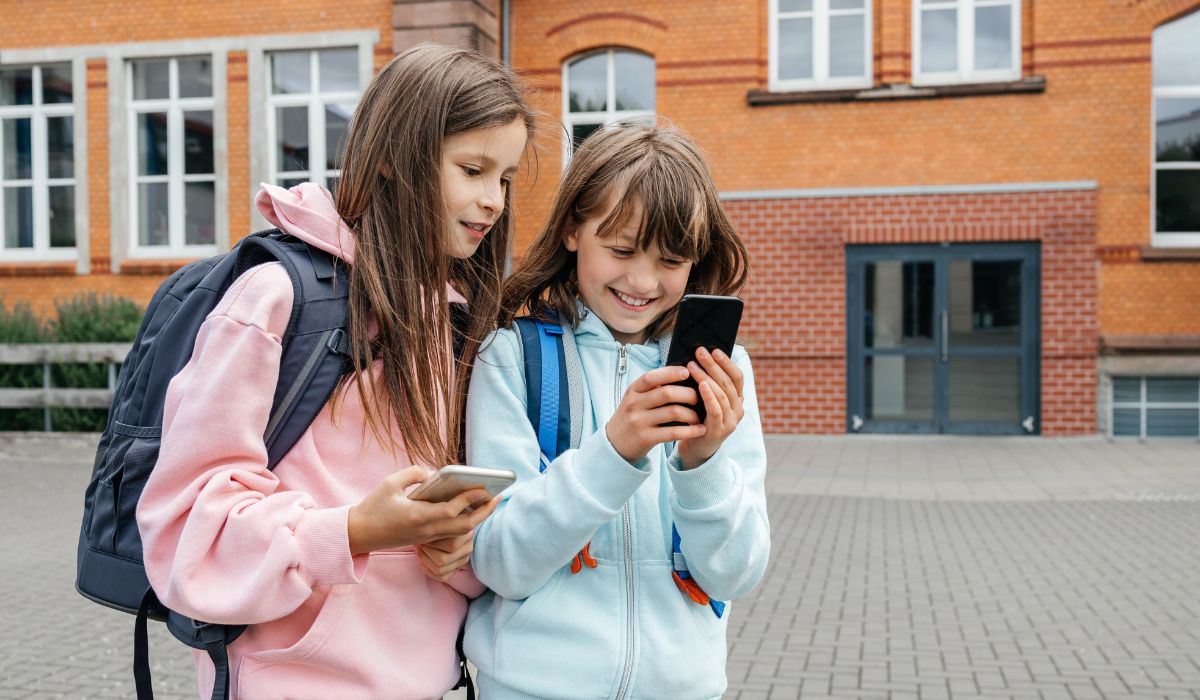
The Reality: Kids Are More Connected Than We Think
CyberSafeKids research shows that children aged 8 – 12 are already deeply immersed in the online world.
- 71% are using apps meant for over-13s
- Many are active on platforms like YouTube, WhatsApp, Snapchat, and TikTok
- 63% spend time on gaming platforms like Roblox
But even more striking, nearly half of children in this age group don’t tell a parent when something online upsets them.
That’s a tough statistic to take ,but also a powerful reminder of why this stage matters so much.
Why This Age Is So Important
Primary school years are the training ground for digital life.
Kids are curious, social, and increasingly independent, but they don’t yet have the maturity or critical thinking skills to navigate the online world safely on their own.
Think of it like teaching them to cross the road: You wouldn’t send them out alone without guidance, practice, and clear rules, and the same applies online.

Supervision Isn’t Overprotective – It’s Absolutely Essential
Children this age should not have unsupervised access to the internet. That might sound strict, but it’s about safety, not control.
Simple boundaries can make a big difference.
- Devices should only be used in shared family spaces
- No screens in bedrooms, especially overnight (And that includes you too!)
- Clear rules like ‘one episode after homework’ or ‘tablet only on weekends’
Consistency is key. Predictable limits help children feel secure, even if they grumble about them.

The Risks Are Real (Even on ‘C’hild-Friendly Platforms)
Many parents assume certain platforms are safe but research tells a different story.
Children have reported disturbing videos appearing unexpectedly, that they have been exposed to sexualised or inappropriate behaviour and that they have been contacted from strangers pretending to be children online.
These experiences aren’t rare, and they often happen on platforms families trust.

So What Can Parents Do?
- Talk Early, Talk Often
Make conversations about online life as normal as asking about school. Ask things like ‘what games are you playing lately?’, or ‘have you seen anything funny or weird online?’ Just remember to try to keep it relaxed and judgment-free, giving your child the space to open up without the fear of getting into trouble. - Set Clear, Realistic Rules
Some might think that supervision can come across as controlling but hildren do best with set boundaries that they understand. Introduce no devices at mealtimes and agree on what apps and games they can have access to. Remember that your rules have to apply- even if ‘everyone else’ is doing something different!
- Use Parental Controls (But Don’t Rely on Them Alone)
They’re a great starting point, but not a complete solution. Your involvement is what really keeps children safe online. - Stay Curious About Their Digital World
Watch what they watch, and play what they play. Not only does this help you understand the risks – it’s a great way to build connection too. - Delay When You Can
Again, don’t feel pressured into anything just because ‘everyone else’ is doing it. There’s no rush to introduce smartphones or social media. Despite the pressure, delaying access supports better emotional regulation, encourages creativity and focus and reduces exposure to harmful content.
The truth is you’re not holding them back – you’re giving them time to grow.

Balancing Protection and Independence
As parents, we’re walking a tricky line. We want to protect our kids, but also prepare them.
The goal isn’t to control their digital lives forever. It’s to gradually teach them how to navigate it safely, confidently, and responsibly.
One day, they’ll be making these decisions on their own. What we do now shapes how ready they’ll be.

You’re Not Alone in This
Parenting in the digital age can feel like a moving target. New apps, new risks, new pressures it-’s a lot!
But there’s support out there, and small steps really do add up.
By staying involved, setting boundaries, and keeping communication open, you’re already doing one of the most important things: showing your children that their safety matters. Online and offline, the same rules apply.
For practical tools, support, and guidance, you can visit CyberSafeKids here.