Have you heard of this postpartum and pregnancy trend that has been doing the rounds on social media of late?
There is no denying that pregnancy and birth are major undertakings and both take a big toll on women’s bodies. In other words, of course rest matters, and especially in the days following labour and birth.
And so maybe then as a pushback against the whole ‘bouncing back’ ideal that told women they should be back on their feet and at their pre-baby weight almost instantly after giving birth – a very different pregnancy trend has gone viral lately.
What is the 5-5-5 postpartum and pregnancy trend?
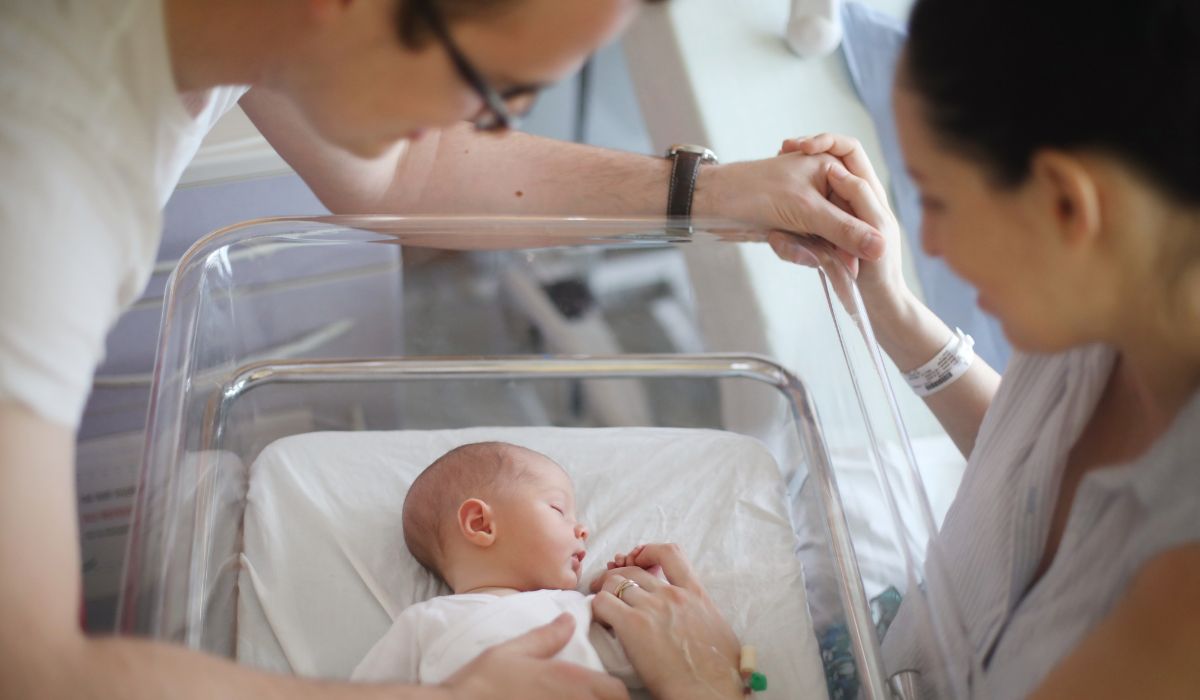
The 5-5-5 rule for postpartum is a viral set of boundaries that encourage rest and relaxation in the first 15 days at home with baby, writes The Bump.

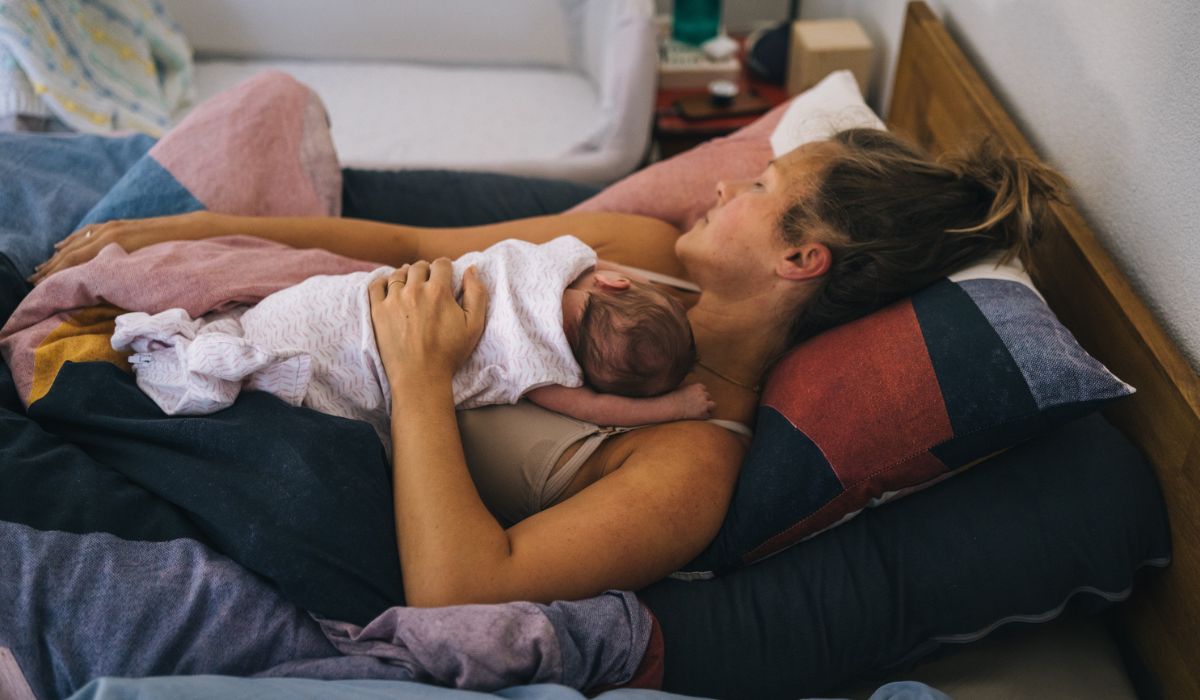
What it suggests is a timeframe for rest and recovery following birth which goes like follows: 5 days in bed, 5 days on the bed and 5 days around the bed.
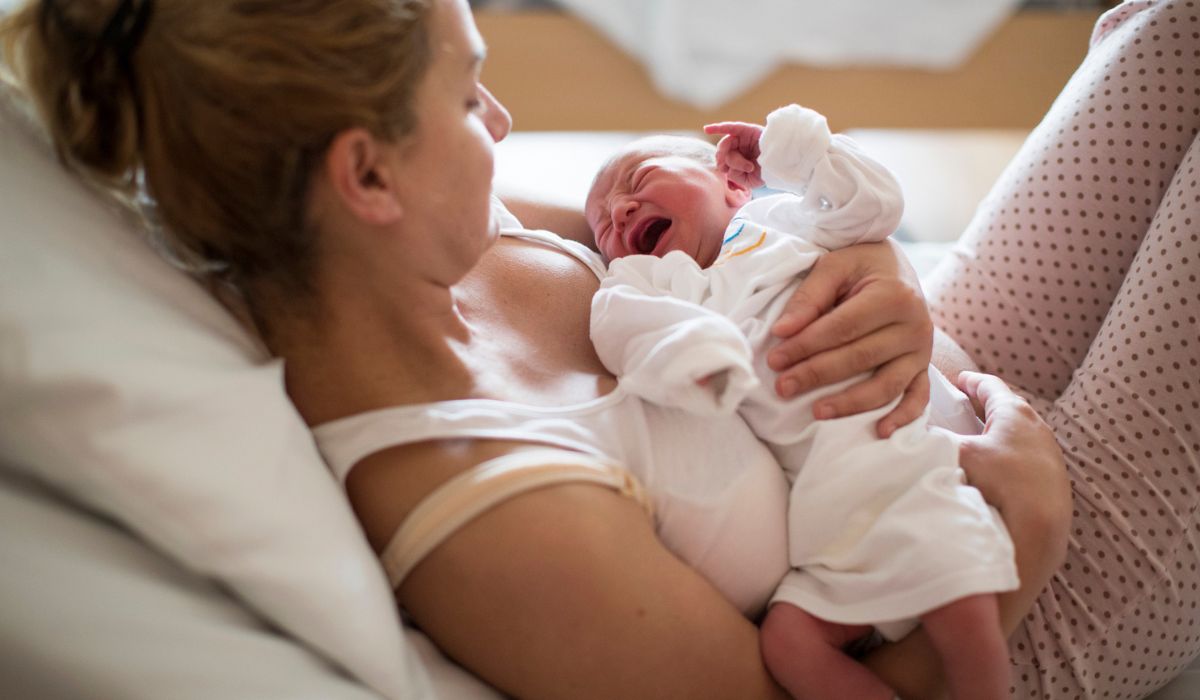
During this window, new mums aren’t supposed to have visitors, do housework or deal with older children or any parenting tasks in general. Instead, the focus should be on resting and snuggling with the new baby.
And just like with most social media trends Gen Zs have ‘discovered’ this too is far from a new concept, as many cultures have observed designated periods of rest postpartum since ancient times.
In China, there’s a 2,000-year-old practice called ‘doing the month’ in which a woman stays in her house for the first 30 days after having her baby. In Latin America, they call it La Cuarentena (40 days of rest), and Indian Jaapa, all similar and focused prolonged rest, dietary nourishment, and having extended family take over all household duties so the new mother can solely focus on healing and bonding.
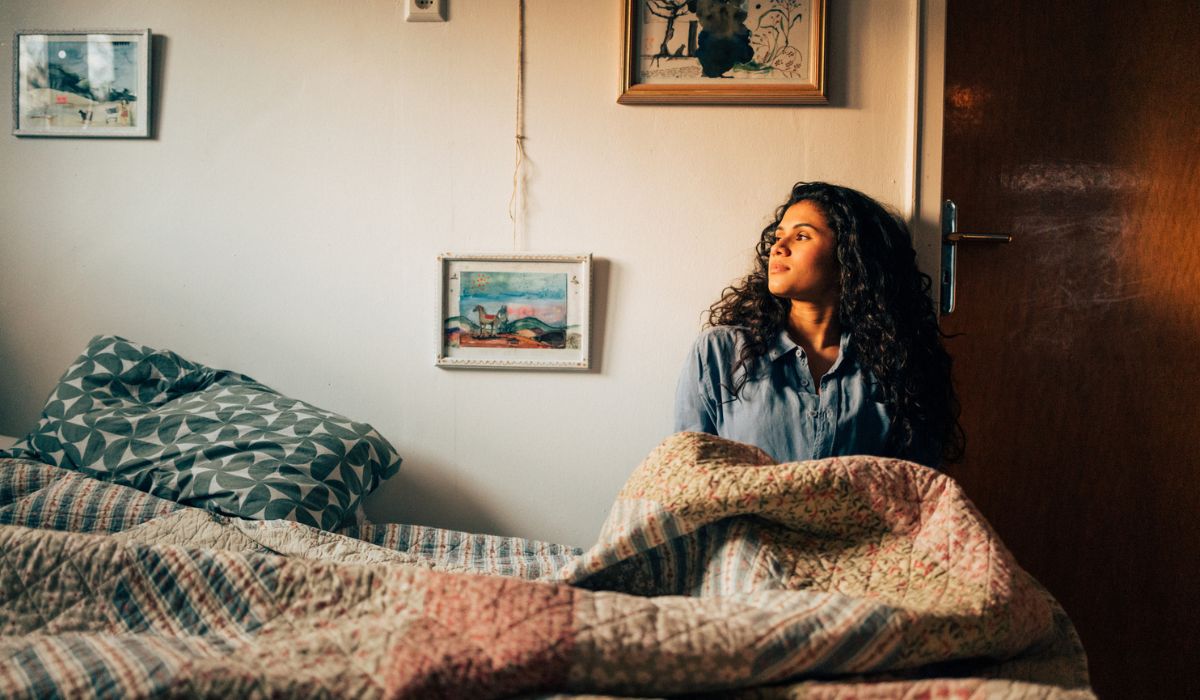
And lately, the postpartum and pregnancy trend – or a more social media friendly version of it, anyway – has been doing the rounds on social media, but not everyone agrees it is the best way to spend the first couple of weeks after having a baby.
Life-threatening potential complication
In a post shared to Instagram, doctor and obstetrician Jennifer Ashton shared why she thinks women need to stay clear of this viral postpartum and pregnancy trend, as it can actually end up being very dangerous.
‘This trend is well-intentioned, and I get why it’s spreading, but it’s actually very dangerous (and unrealistic),’ the doctor explains, adding:
‘After delivery, rest absolutely matters. But as an OB/GYN who has delivered over 1,500 babies, I have to be honest with you about the medical reality of staying in bed for a week or more after giving birth.’
Ashton goes on to explain that pregnancy is already what experts call a hypercoagulable state, meaning an increased blood clot risk.
‘That risk doesn’t disappear at delivery. It continues for six weeks postpartum, and the American College of Chest Physicians classifies seven or more days of immobilization as a major clotting risk factor that requires anti-coagulation. ‘
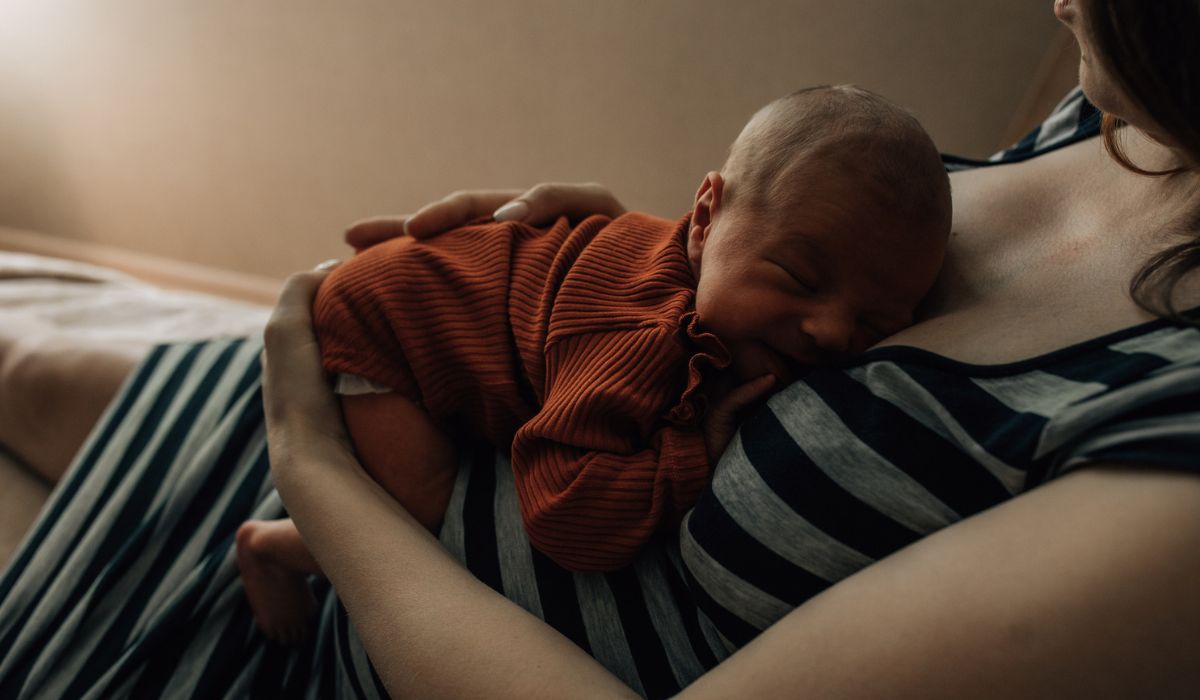
And this, the medical professional explains, is not a ‘minor footnote,’ but something far more serious indeed.
‘That’s a life-threatening potential complication.’
She adds:
‘Beyond clots, prolonged bed rest affects every organ system: lungs, GI tract, heart, musculoskeletal system, our hormones, and our mental health. The message that we should stay confined to our bedroom for weeks sends a signal that we are fragile, and that is the opposite of what new mothers actually need. And also, who has the luxury of doing that? No women that I’ve delivered, that’s for sure!’
‘The goal of that fourth trimester is to support our return to strength’
And this does not mean we should not rest at all, Dr Ashton reminds mums. But this pregnancy trend? Maybe re-think it.
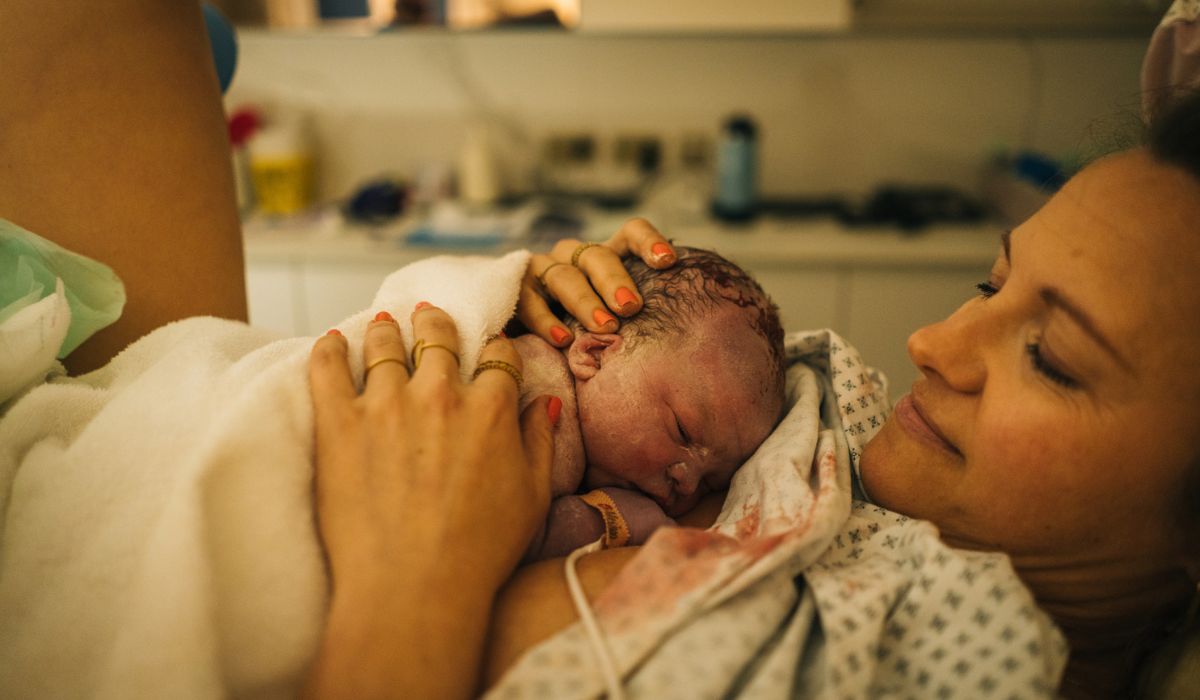
‘Rest and recovery? Yes, absolutely, and the timeline looks different for every woman,’ she explains.
‘But the goal of that fourth trimester is to support our return to strength, not to slow it down and set it back. My framework is nest, stand, and stride because that’s what actually honors both the weight of what our bodies just did and the strength we carry into motherhood.’