Warning: this article focuses on one mum’s emergency labour experience. This article should not replace medical advice. If you have any concerns, consult your doctor.
When people imagine giving birth, they often picture a straightforward vaginal delivery or a caesarean section.
However, some births require a little extra assistance. One of the most common forms of assisted vaginal birth is a forceps delivery.

I know this personally, as my son Alexander was born with the help of forceps during what became an emergency delivery.
Like many parents who experience this type of birth, I had never thought about forceps before labour, and afterwards I was left with questions about why they were needed and what exactly had happened.
What are forceps?
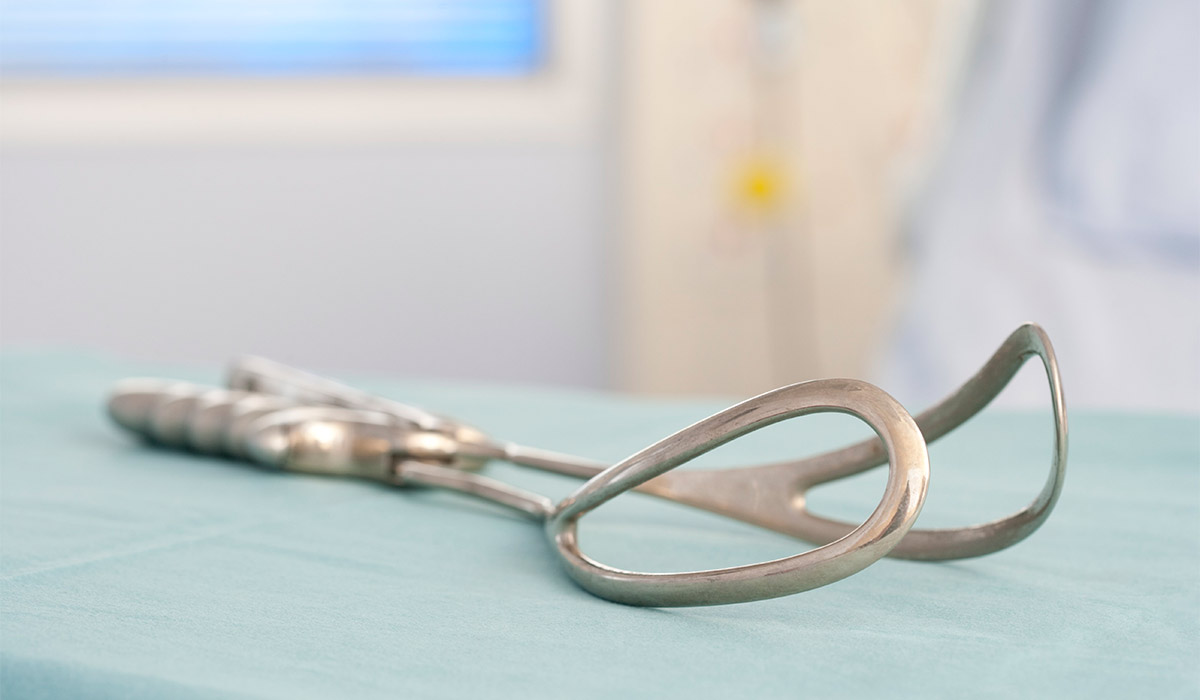
Forceps are a medical instrument that looks a little like two large curved spoons or tongs.
They are carefully designed to fit around a baby’s head during birth. An obstetrician places the forceps around the baby’s head and gently guides the baby through the birth canal while the mother continues to push.
Although they can appear intimidating, forceps have been used safely in childbirth for many years and are an important tool when a baby needs help to be born quickly.
Why are forceps used?
A forceps delivery is usually only considered when there is a medical reason to help the baby out more quickly.
Some common reasons include: The baby’s heart rate shows signs of distress. Labour has stalled and the baby is not moving down the birth canal. The mother is exhausted and unable to continue pushing effectively. Certain medical conditions make prolonged pushing unsafe. An emergency situation develops during labour.
In my case, I had been diagnosed with pre-eclampsia and my baby’s heart rate began dropping during labour.
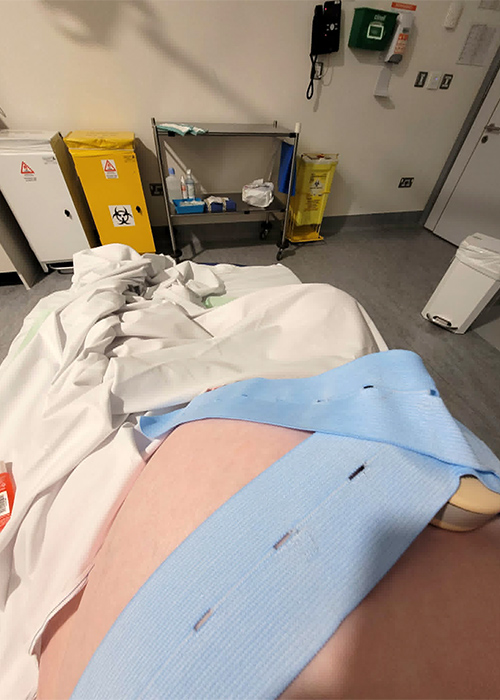
What had started as a planned vaginal birth quickly became an emergency, and the medical team needed to help deliver him safely and as quickly as possible.
With the help of the epidural, and many other IV drugs, I was completely oblivious to what the tool looked like and don’t even remember much. But I do remember the uncomfortable task of push and the professionals pulling!
What does a forceps delivery feel like?
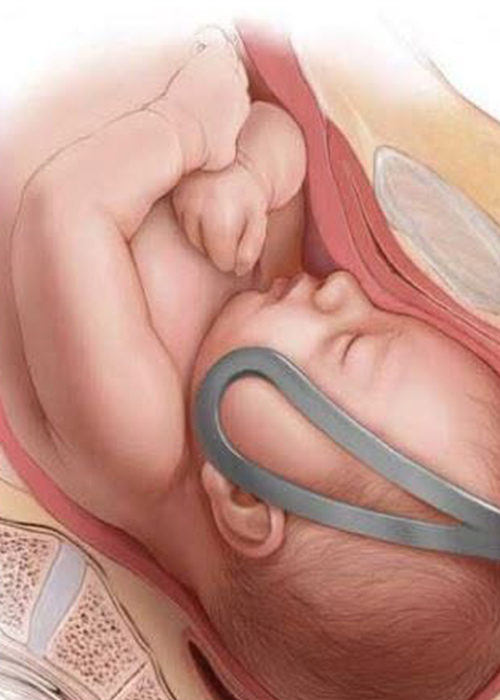
Every birth experience is different, but many women describe a forceps delivery as intense and overwhelming, particularly if it happens unexpectedly.
During a forceps birth, the doctor will guide the baby while the mother continues pushing. The aim is to work together with each contraction to help the baby be born safely.
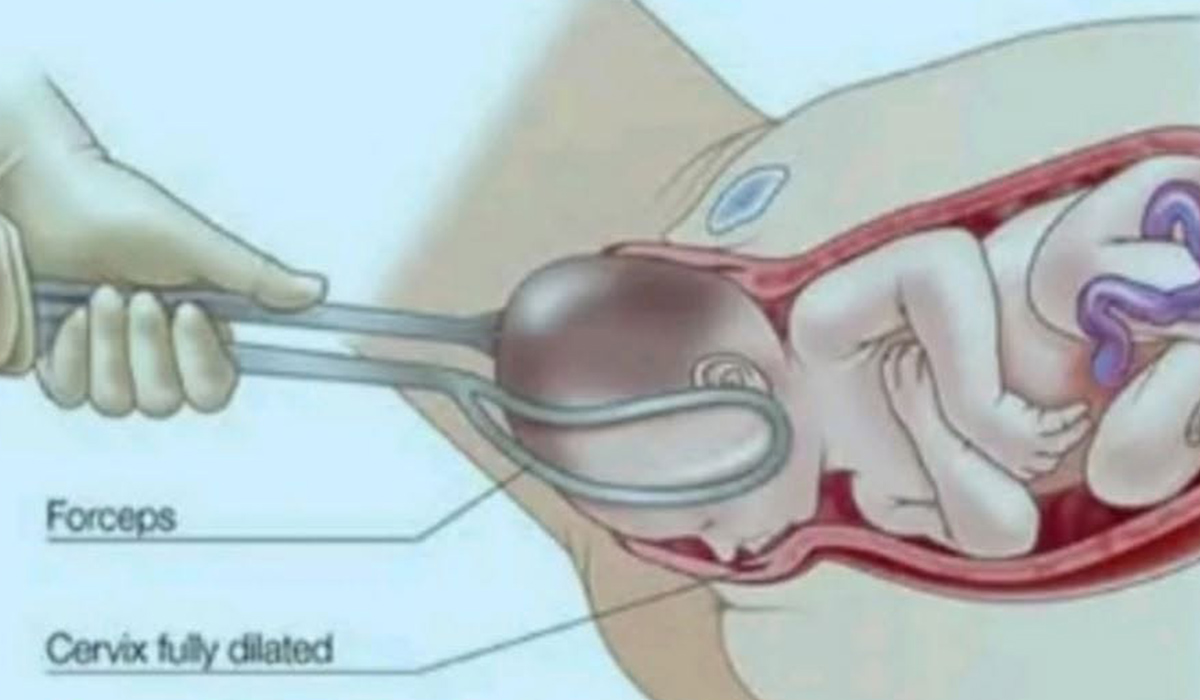
For some women, especially when the situation becomes urgent, the experience can feel frightening or traumatic. It is completely normal to have complicated feelings about an assisted delivery, even when both mother and baby are healthy afterwards.
For me, being diagnosed with preeclampsia, having protein in my urine and during birth, when baby’s heart rate dropped, it then became a scary and frightful experience. But I knew I was in safe hands.
Can forceps leave marks on a baby?

Yes. Temporary marks are one of the most common side effects of a forceps delivery.
Because the instrument sits against the baby’s head and face, babies may be born with: red marks or bruising, small scratches, pressure marks where the forceps were positioned, mild swelling and redness.
My son had a noticeable circular red mark on his face after birth. Seeing it initially was upsetting, but it gradually faded over the following weeks and then disappeared completely.
In the vast majority of cases, these marks are temporary and heal without any lasting effects.
Are forceps safe?
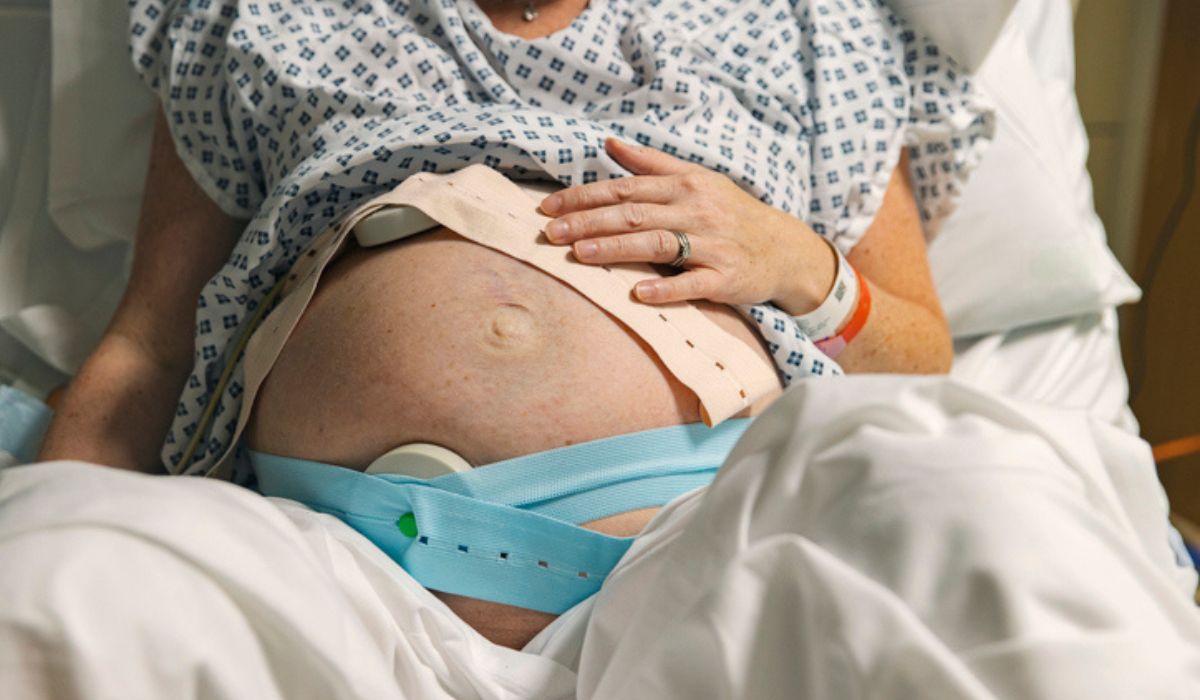
Forceps deliveries are generally considered safe when performed by trained healthcare professionals.
Like all medical procedures, they carry some risks, but doctors only recommend them when they believe the benefits outweigh those risks.
In my case, my birth and labour turned into more of an emergency case. After my baby was born, the placenta didn’t want to come out. So I was injected with something into my leg and then my doctor pressed down on my tummy, resulting in blood loss naturally.
In many situations, forceps can help avoid an emergency caesarean section and allow a baby to be delivered more quickly when there are concerns about their wellbeing.
What happens if the placenta does not deliver?
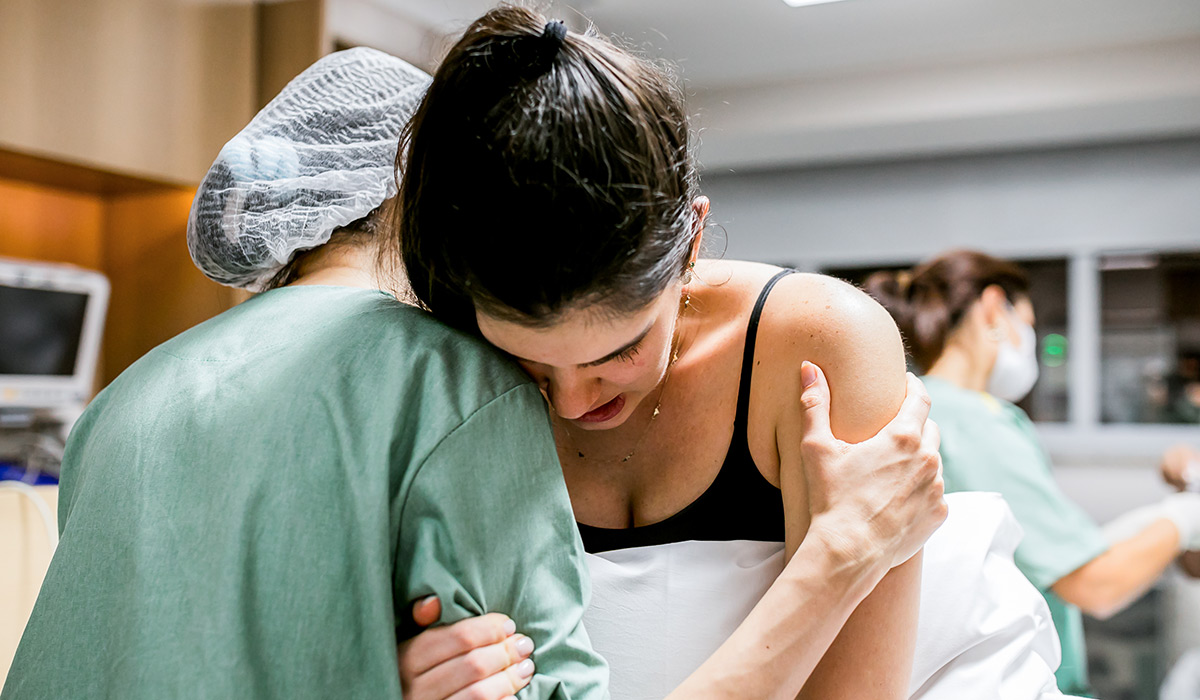
After a baby is born, the placenta also needs to be delivered.
Sometimes this happens naturally within a short period, but occasionally the placenta does not separate from the uterus as expected.
When this occurs, healthcare providers may give medication to encourage stronger uterine contractions. This medication is often injected into the thigh and helps the uterus contract so the placenta can be delivered and bleeding can be reduced.
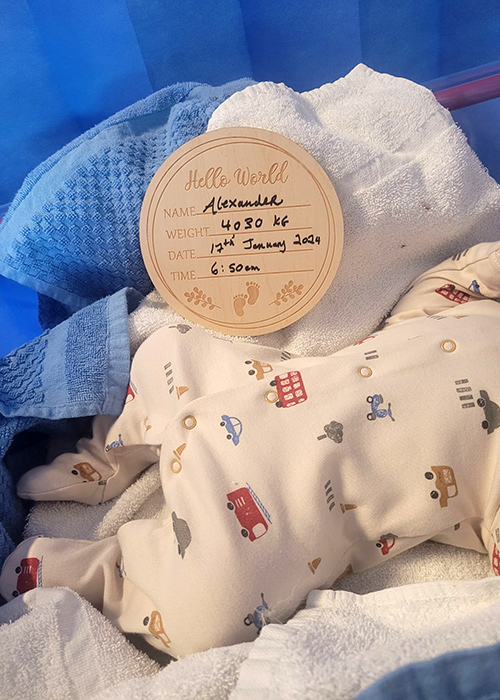
This is what happened to me and I ended up tearing down below. I needed stitches immediately after because I was bleeding out. So after the trauma of a forceps delivery, my efforts weren’t over just yet.
Doctors or midwives may also apply firm pressure to the abdomen to help the uterus contract and encourage the placenta to come away.
While these interventions can be uncomfortable, they are performed to help prevent excessive bleeding and other complications.
Every birth story is different
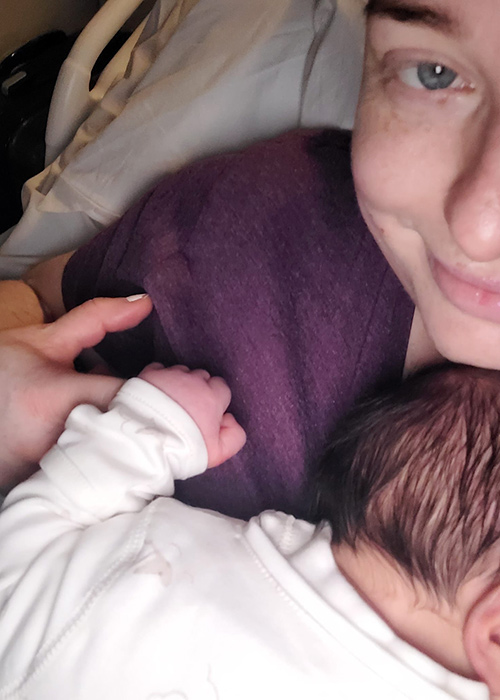
Forceps deliveries are often used in situations where time is critical and a baby needs to be born quickly. Although they can be physically and emotionally challenging, they remain an important and potentially life-saving tool in modern maternity care.
For many parents, the memories of an assisted birth can stay with them long after the physical recovery is complete.
It is possible to be grateful for the medical care that helped bring your baby safely into the world while also recognising that the experience itself was difficult or traumatic.

I was happy to avail of Rotunda Hospital’s free therapy for postpartum mothers. It really did help and 2.5 years later, I don’t think about it now as often as I did back then. But of course, I’ll never forget my birth and it doesn’t put me off trying again.
Birth doesn’t always go to plan. Sometimes it requires interventions, quick decisions and extraordinary teamwork. What matters most is that both mother and baby receive the care they need when it matters most.
And sometimes, years later, you can look at the child running around in front of you and remember that those frightening moments were the very beginning of their little story.