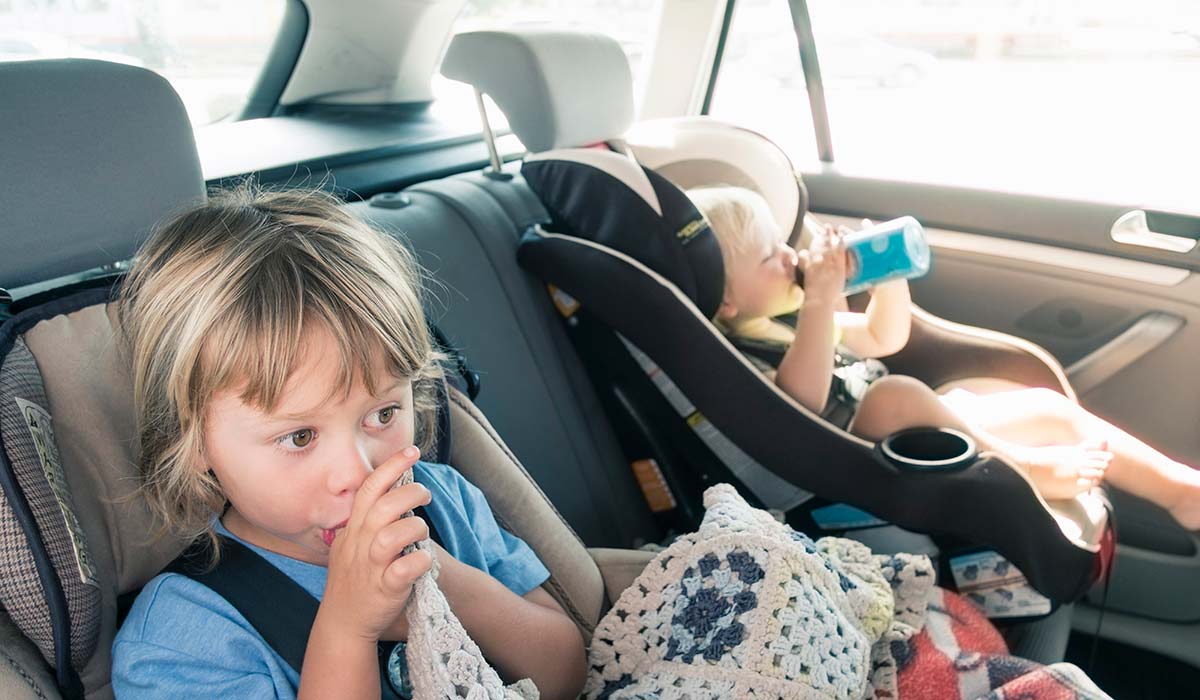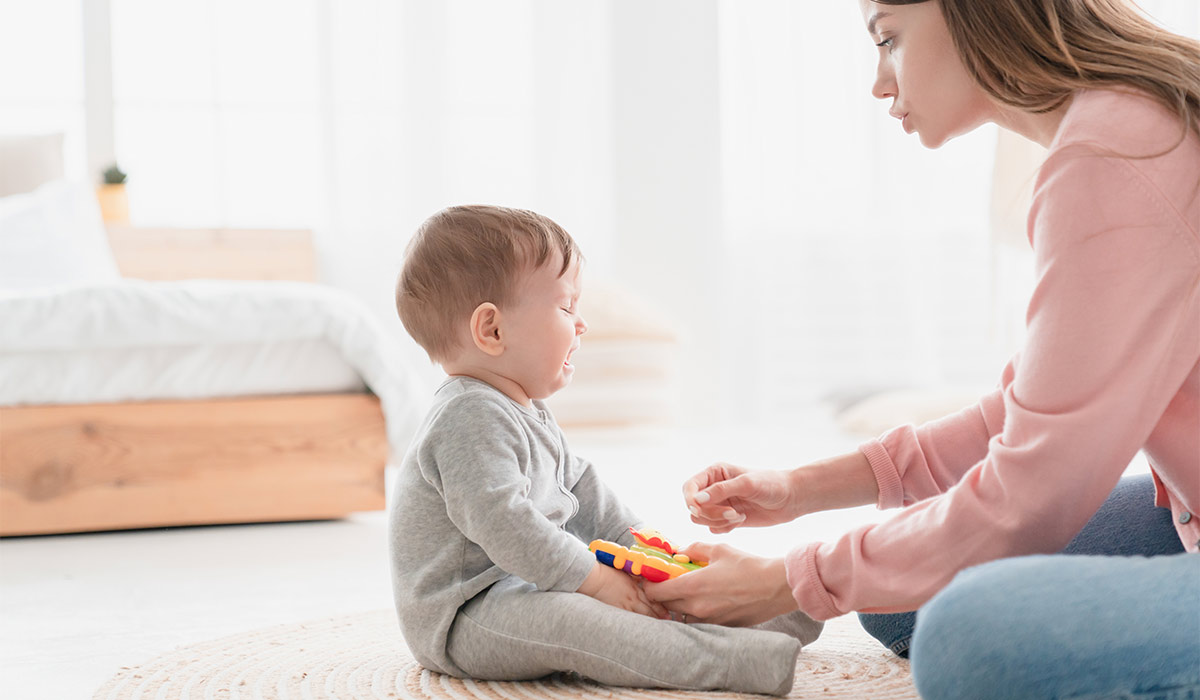
All parents know that dropping our kids off at school when they are happy and excited to go in is a breeze. But if they are upset, or feel in any way anxious, it becomes so much harder to just send them in and walk away.
Turns out, how we handle things at the school gates and what we say to them in this moment matters greatly, and teachers all agree there is one thing many parents say to kids before school that can actually end up making things worse.
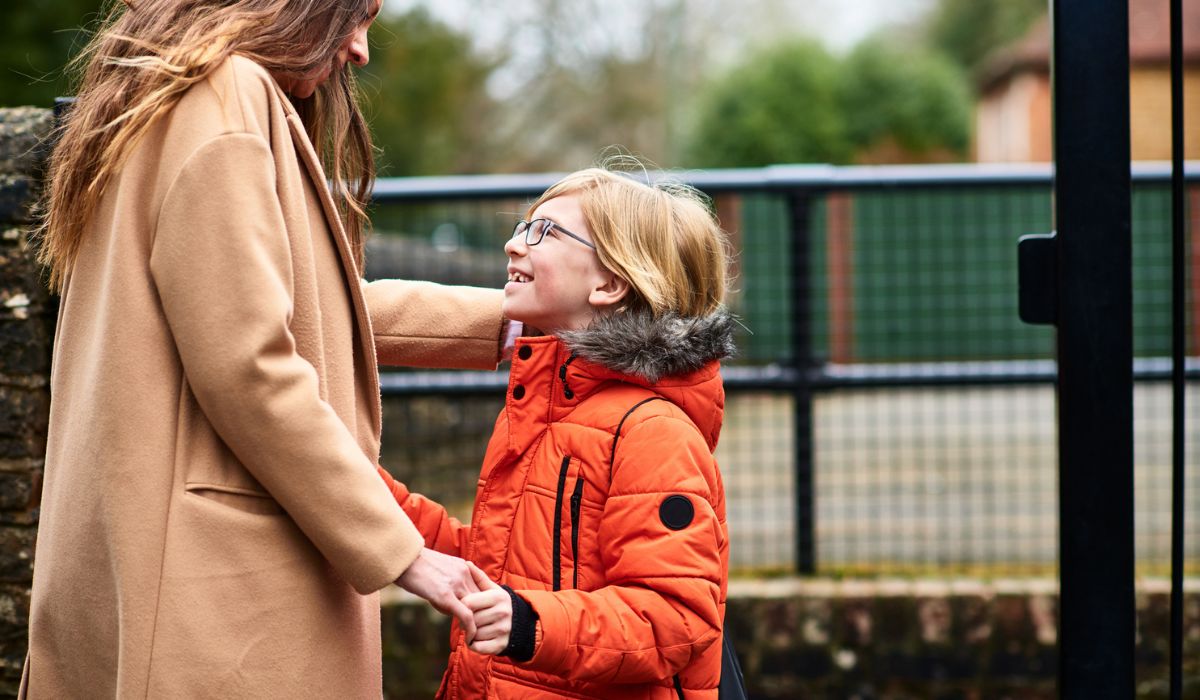
According to educational psychologists, what you say at the school gate can shape your child’s anxiety for the rest of the day, and just being aware of a few phrases to avoid might just make things easier for everyone – both your kids and yourself, who no doubt feel terrible is you have to send your upset and anxious child in through those school gates.
The problem? The phrases most of us reach for when our little ones are struggling are often the very ones that make it harder, and not because we’re doing it wrong, but because they feel so natural in the moment.
On choosing our words wisely before school
According to Netmums, when kids feel anxious, their brains aren’t really processing logic the way ours are. Instead, they’re scanning constantly for safety signals, looking to a trusted adult’s face, tone and words to tell them whether the world is okay right now.

And this means, warns educational psychologists, that we need to think of co-regulation, and help our kids feel calm and secured, not anxious and stressed.
‘If you look worried, or hesitate at the door, or phrase a goodbye as a question, your child’s amygdala can read that as danger – and the result is more tears and more clinging, not less,’ they warn.
Teachers have seen this first-hand too, and warn parents that certain phrases you might be saying with the best intentions could actually backfire.
For instance, asking ‘are you scared?’ puts fear front and centre in a child’s mind and subtly suggests there might be something to be scared of.’
Be mindful of these words at the school gates
Parents should also be careful not to trivialise kids’ feelings, or tell them what they are feeling is somehow wrong, so it might be best to also avoid phrases like ‘don’t be sad’ or ‘don’t be silly’ too, teachers told Netmums.
The problem? Saying this could end up turning a manageable wobble into something that builds over time.
And the one phrase we have no doubt all uttered at one point or another: ‘We’ll go home if you’re still crying’ – while said to comfort, almost always just ends up teaching kids that escalating distress is how to delay going in.
You might also want to avoid lingering or lurking around, trying to spot your child to see if they have settled. According to teachers, if your child then spots you, the tears will begin again, and they will then have to spend extra time supporting your child, who might have already been fairly settled before they spotted you again.