Struggling to get your child to take medicine? You are not alone.
Realising that getting medicine into kids can be a battle for many families, the NHS in the UK commissioned some research into kids and medicine – and the result came as a shock to many.

Could a switch to tablets change things?
Speaking to Netmums, paediatric specialists say it has taken medicine an embarrassingly long time to ask children what they actually think of the medicine they have to take – and the researchers were surprised to find that indeed many children refuse liquid medicine because it genuinely tastes horrible.
In fact, the national health organisation found, for some families, every syringe or spoon of liquid medicine can turn into a battle – so could the solution be simpler than we thought? Would children who push the poon away every time be more willing to take a tablet?
A new trial at Great Ormond Street Hospital in London just showed just how much of a difference that question – and a simple swap – can make.
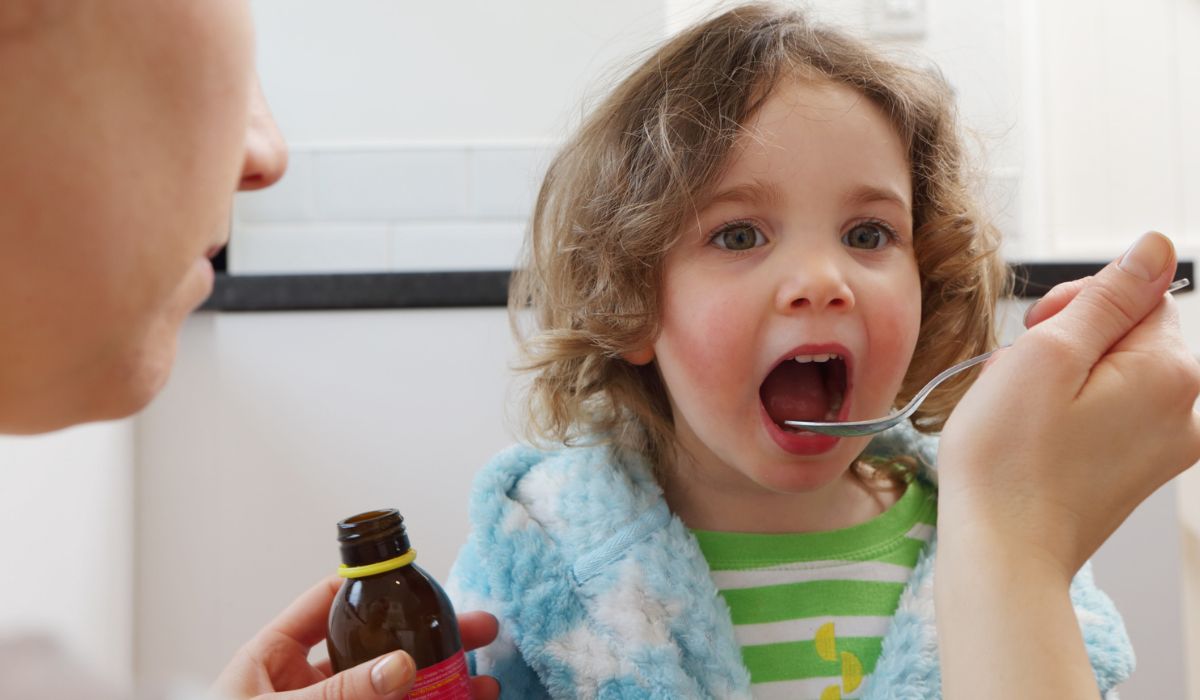
Liquid medicines often taste bitter, leave a lingering aftertaste, and need to be drawn up in a syringe at precise times. For a child who already feels unwell, every dose can feel like something to dread. On top of that they are awkward to store, carry, and explain to teachers or other parents on school trips.
The NHS study looked at children aged seven to 13 with congenital hyperinsulinism, a rare condition affecting around one in every 30,000 to 40,000 children. They take medication called diazoxide several times a day to keep their blood sugar stable – until recently, always as a liquid.
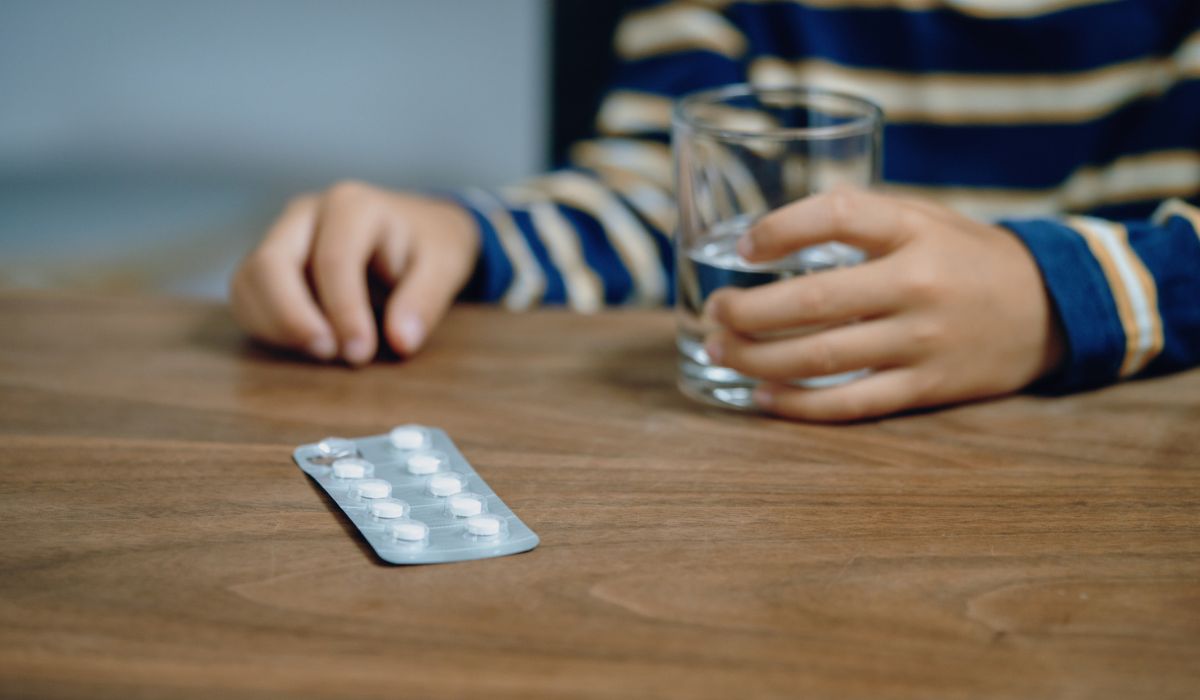
However, the researchers found that switching to tablets kept glucose levels just as safe, while saving around £40,000 per patient per year. In fact, the liquid costs £15.50 per dose, while the tablet costs £1.15.
11-year-old Jess Manktelow was one of the children who took part in the study, and she was very clear about what the preferred in terms of medicine.
‘It has made a big difference taking medicine that doesn’t taste horrible,’ she said.
‘There were times where I didn’t want to take it because of the taste. It makes things very easy for me now – I’m able to do it myself and it doesn’t take up as much time at school.’
The tween also described the awkwardness of travelling with syringes and having to explain her condition at airports and on school trips.
‘It isn’t always an easy condition to explain.’
Dr Antonia Dastamani, consultant paediatrician at Great Ormond Street, said it was striking that medicine had never thought to put the question to young patients.
‘It is common practice to ask patients how they’re finding treatment, or how they feel when they have injections, but we never thought to ask patients about the taste of medicines and whether they like them,’ she said.
Talk to your doctor
This is obviously a UK-based study, but there is no reason Irish parents should not feel empowered to ask their GP or paediatrician about their child’s medicine too.
According to the NHS, there is growing evidence that many children can learn to swallow tablets, sometimes from as young as four or five, particularly with the right support. However, it is important to know that not every medicine can be switched, and parents are advised never to crush or split tablets without medical guidance – some have special coatings or slow-release formulas that make this unsafe. Great Ormond Street Hospital’s guidance on giving children tablets has clear advice on how to do this safely.
But if you are stuck in a daily battle over liquid medicine, the simplest next step is to raise it at your next GP or hospital appointment. Ask whether a tablet version of your child’s medicine exists – and whether your child might be ready to try it.