A GP has shared some advice for parents to take on board during the summer, but it may not be the advice you want to hear.
During the summer months, especially when it is warm, there are so many things you need to consider in order to keep your child safe and healthy. From their sunscreen to hydration to their seasonal allergies, it’s a lot to juggle.
But there are some things that you may forget or not even consider, and then feel guilty about when they are pointed out.
RELATED: 7 signs your child is carrying ‘more anxiety than they let you see’
Dr Shruti Nathwani, an NHS doctor and mum-of-two who has over 47K Instagram followers, says that there is some advice she would give to parents if she ‘wasn’t afraid of hurting your feelings’.
She urged parents to save these tips for heatwaves and holidays this summer.
10 pieces of advice GP says all parents should heed during the summer
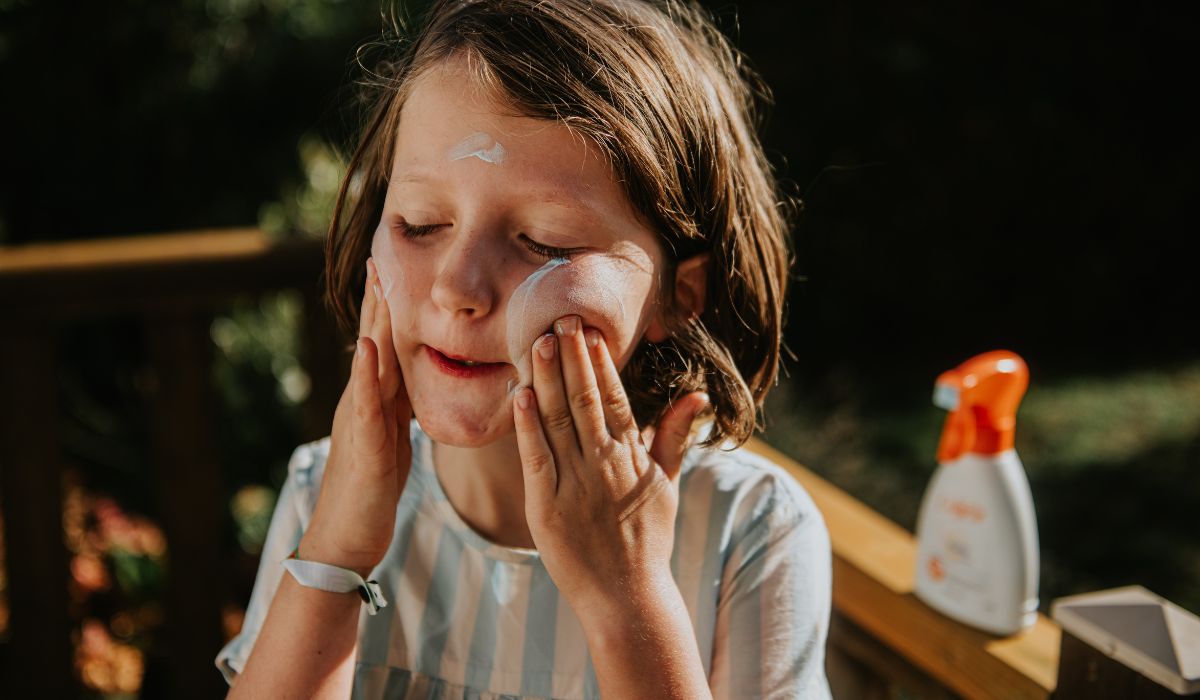
1. Applying sunscreen once isn’t enough. You need to reapply every two hours, and after swimming because even ‘water-resistant’ formulas don’t last.
2. If your child has hay fever, you should avoid hanging clothes outside as fibres catch and hold pollen particles. Try to keep windows closed at peak pollen count times (5-10am and dusk).
3. Colds still happen during the summer. Air conditioning, indoor crowding, and summer travel all keep transmission of rhinovirus alive.
4. Babies under six months old can spike fevers from heat alone because they can’t regulate their body temperature effectively, mimicking infection.
5. Children dehydrate faster than adults. Their thirst mechanism is also less sensitive, so by the time they say they’re thirsty, they’re already mildly dehydrated. Aim for regular small sips throughout the day.
6. Try not to scratch insect bites. Scratching risks secondary bacterial infection. Cool compress first and then an antihistamine if needed and safe to give.
7. Drowning is the 3rd leading cause of accidental death in children worldwide and is often silent. Parents should remember the High Five rule: one dedicated adult per five children, assign a Water Watcher, no phones, stay within arm’s reach. Empty paddling pools after every single use.
8. Slushies containing glycerol can be dangerous in children. Glycerol can cause a rapid drop in blood sugar and sodium levels. Symptoms include sudden paleness, limpness, and vomiting.
9. Parents should pay attention to their child’s urine colour. Pale straw yellow = well hydrated. Dark yellow or amber can indicate dehydration. This is more reliable than counting drinks because it reflects what the kidneys are actually doing.
10. You should never leave a child in a parked car. On a 22°C day, a car interior can reach 47°C within an hour. Heatstroke begins at 40°C and can be fatal. If you see a child alone in a hot car, you should act immediately.