A teacher has listed some things to avoid doing with your kids ‘in the name of reading’ and they make so much sense.
We all know how important reading is for children, and we all want our kids to want to read. But when trying to encourage, we may accidentally be doing the exact opposite.
I am the parent of an eight-year-old who has recently started to read independently. She’s certainly not a bookworm just yet, but she will happily read a little on her own, and still enjoys me reading to her. I loved reading as a child and want more than anything for her to have the same hobby, but I am treading lightly because I know that if I push, she will rebel against what I want – kids getting older, eh?
In fact, besides reading to her at night, having books available to her, and reading in front of her, the only thing that I actively do to encourage her to read is tell her she can leave her lamp on for an extra 10 minutes at night if she wants to read.
Sometimes she does and sometimes she doesn’t.

RELATED: Teacher warns parents against letting tweens read very popular but ‘unkind’ book series
7 things to avoid doing if you want your child to love reading
Teacher and children’s author, Vaishali BK, has taken to Instagram to share seven common mistakes parents often make to try to encourage their kids to enjoy reading.
1. Finish every book they start – this is one she ‘feels strongly about’ because if adults are allowed to stop a book halfway through because they aren’t enjoying it, then kids should also ‘be given that agency’.
2. Read out loud in public – Vaishali says that this can actually measure a child’s ‘anxiety tolerance and performance’ rather than their reading ability. While you do need to observe a child’s reading, it should be done in a low-pressure way.
3. Read only useful books – while non-fiction books are ‘great’ and so are layered, more in-depth books, the teacher says that children also ‘deserve delight, silly humour, comfort reads and obsession books’.
4. Stop reading comics – some people may not count this as ‘read’ reading but the teacher assures her students that ‘if a book makes you want to keep turning pages, it counts’.
5. Check comprehension right after reading – it is important to ensure a child understands what they are reading, kids often need time to process and ‘some emotional distance’. Not every story needs a quiz straight away.
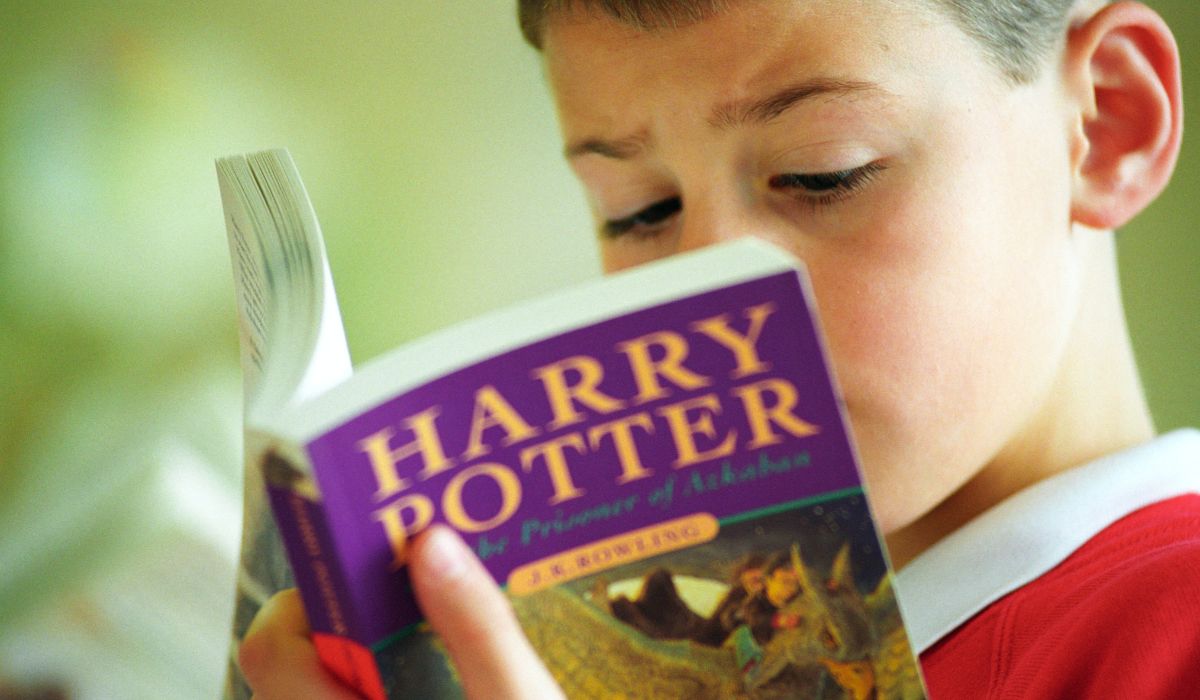
6. Read books they are not ready for – Just because a child is able to read the words, doesn’t mean they are ready for certain books. It is the adult’s job to ‘vet’ the books a child is reading and ensure that there is no ‘grief/violence/moral greys or fear’.
7. Love reading the same way adults do – your child may not read the same way you do or did and that’s okay. Some children prefer to listen more than read, some who reread the same books again and again, some who read visually and some kids read multiple books at the same time. ‘All are okay’.
‘Gentle reminder- Readers grow best in environments that make them feel safe, curious, connected and capable,’ Vaishali added in the caption.
Parents took to the comments in agreement, thanking the teacher for her advice. ‘My son reads multiple books in a day – I use to wonder how he keeps track but he revisits these books too so I guessed that’s his way to keeping tabs,’ said one.
Another added that the post was an ‘an eye opener. ‘I always feel whether my kid has understood the story or question his ability….though I dont do it everytime….but now I know let him love books even if they are half-read and half-understood’.