You support your children at every turn and want them to feel secure and happy, but what if they’re lacking in self-esteem?
In the scramble of everyday family life, the signs that your child has low self-esteem aren’t always the easiest to spot.
That said, it’s important for their development to identify the red flags that might mean they’re struggling with their confidence.
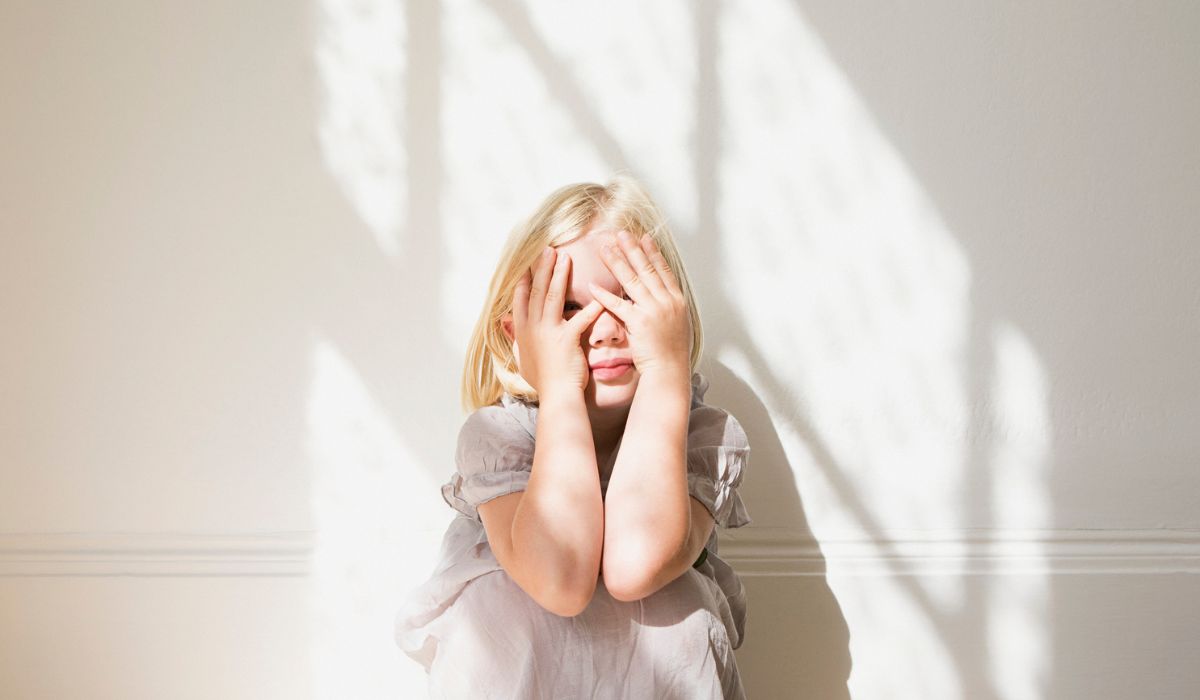
3 red flags that can signify low self-esteem in children
Mental performance coach, Cindra Kamphoff, cautions parents to keep an eye on how children talk about themselves, and even their body language can be an indicator that something is wrong.
In particular, Cindra has singled out three ‘red flags’ that parents should watch out for, including:
Negative Self Talk
One immediate sign that their self-esteem is lacking is if you notice that they are highly critical of themselves or ‘ prone to beating themselves up after a failure,’ says Cindra per CNBC.com
If you hear them say, ‘ I’m such a failure,’ that’s the time to remind them that they are not defined by their setbacks, and she says an opportunity to reframe the experience as a learning opportunity.
Kamphoff, who works with athletes on overcoming setbacks, recommends telling your child to physically shake off the feelings of failure to help them to move on.
Excessive Comparison

Your child comparing themselves to their peers is only natural but can become excessive.
‘Comparison is a normal part of being human because it allows us to understand our place in the world. But we typically don’t compare our whole self to the other person’s whole self.’
Here she recommends telling your children to focus on the aspects of comparisons that they can control by asking questions about what they really want and using the information to set realistic goals for them.
Body language and low energy
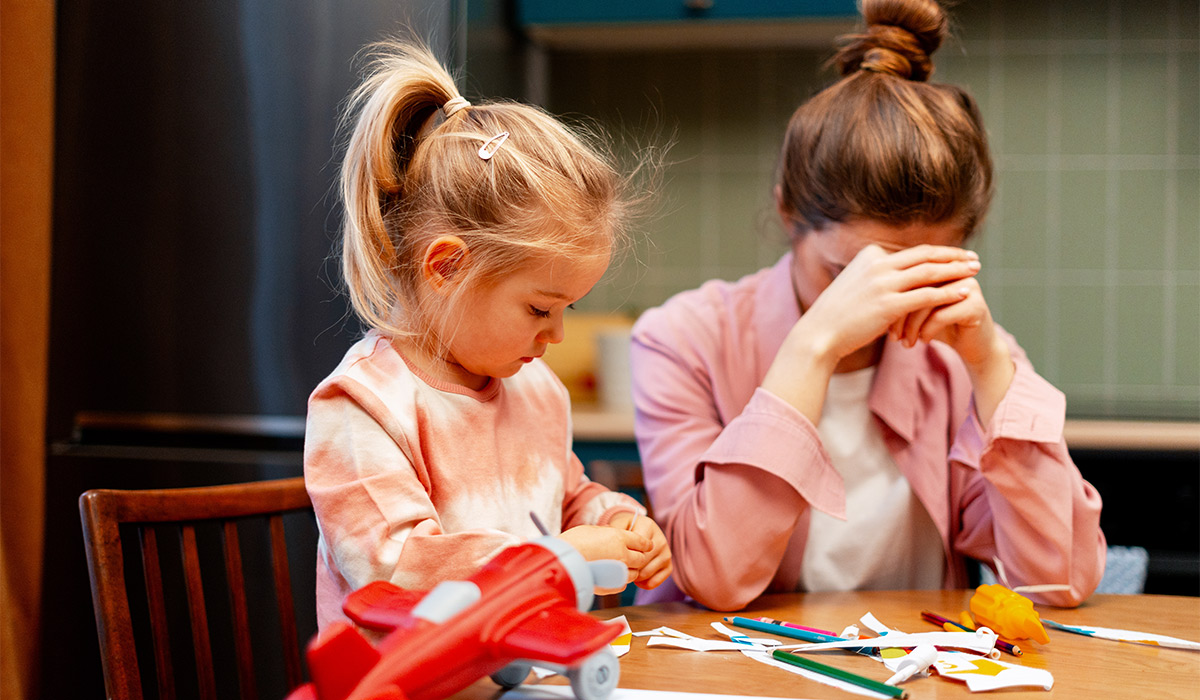
Even if they might not be expressing it outwardly, your child might still be highly critical of themselves, and it’s important to notice this from their body language.
If they have changed how they are carrying themselves, such as slumping their shoulders or smiling less, that could be a red flag, as is consistently low energy, says Kamphoff.
She recommends that parents destigmatise negative emotions by naming them instead of urging children to suppress them with phrases such as ‘cheer up.’
If they are having particular trouble expressing themselves, she recommends the ‘PCR’ technique of Pause, Calm Down and Respond, which involves asking the child to take a breath and calm down before considering how to respond to a difficult situation.
‘You can teach your kids to regulate their emotions, and that’s going to really help them grow their confidence because, especially under pressure when kids [and adults] can regulate themselves, that’s really key,’ she says.